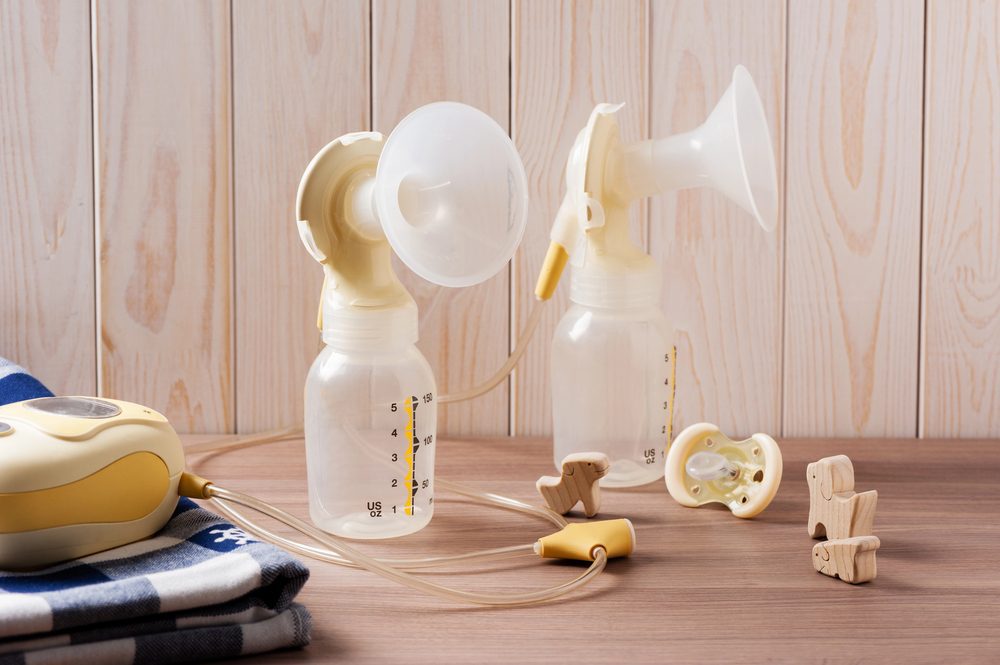
If you’re shopping for the right breast pump for your budget and lifestyle and are overwhelmed by all the options, you’re not alone. Whether you’re a first-time mom or a seasoned mom who needs a replacement pump, there are plenty of double electric breast pumps on the market that you can choose from. Before you buy, knowing what features to look will help you make the best choice for your lifestyle, budget, and needs.
What Features to Look for When Shopping for Double Electric Breast Pumps
A Portable Pump
If you plan on pumping outside the home, whether at work or anywhere else on-the-go, portability will be an important feature to look for. Portable breast pumps either come with a rechargeable battery or are battery-operated.
These double electric breast pumps are easy to transport and don’t require a power cord to operate. If you’re looking for a breast pump that you can take on the go, a portable one will make life easier and more convenient.
Versatile Flange Range
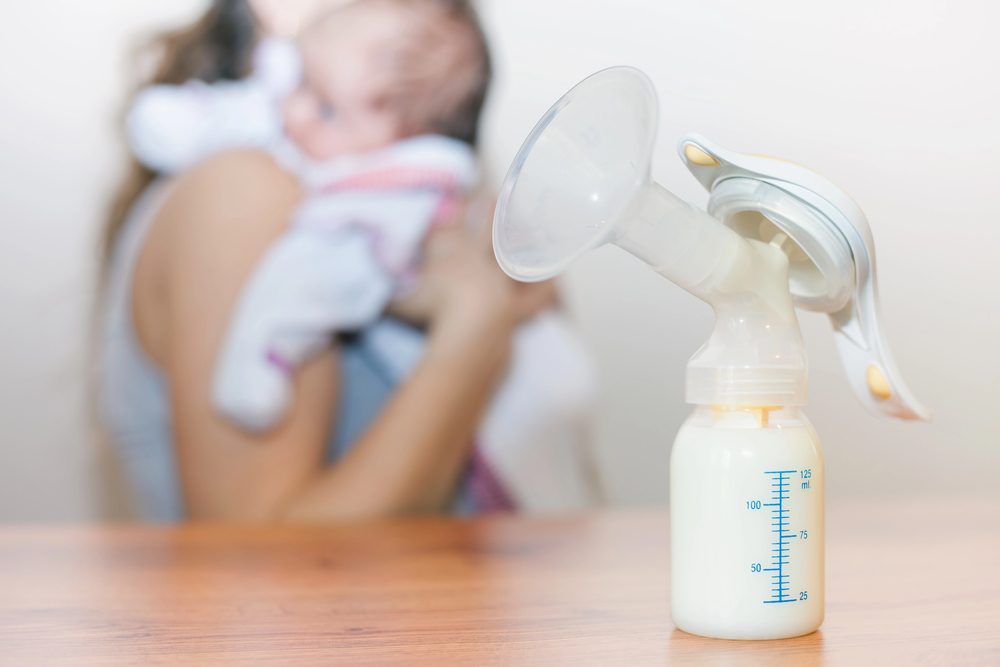
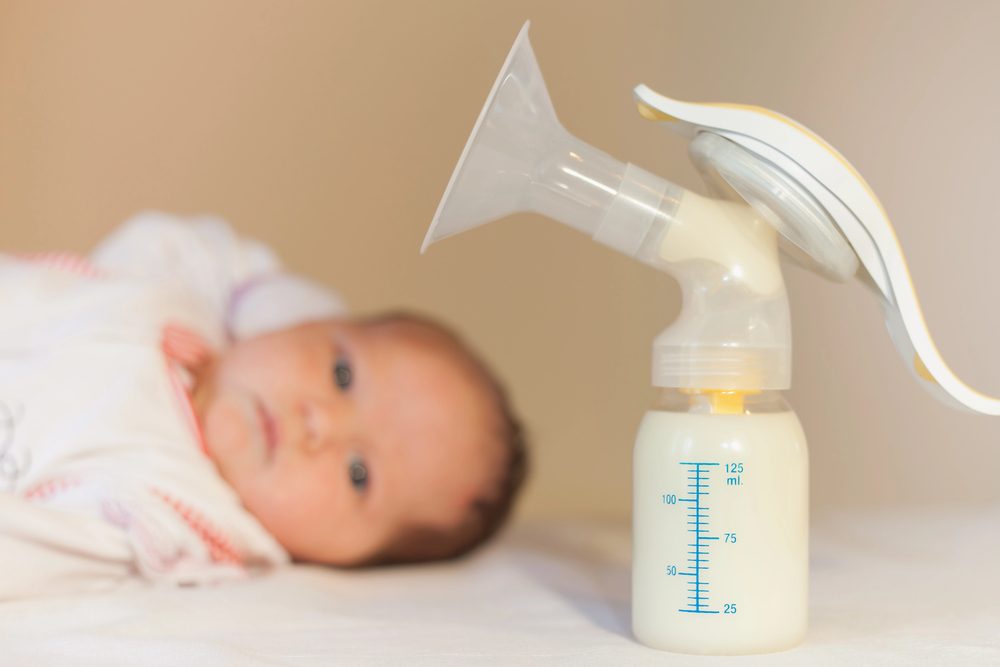
A breast pump flange, also known as a breast shield, is the piece that you situate over your breasts to create a vacuum seal to ensure efficient and effective pumping. Most double electric breast pumps come with various-sized flanges to accommodate different women. Measuring your nipples prior to purchasing a pump can help you determine your size so that you can choose your breast pump accordingly.
Flange sizes range from 10 mm to 40 mm, and the average size included with most breast pumps is 24 mm. Many manufacturers offer additional accessories and flanges for those who need an alternative option not provided with the pump.
A Carrying Case
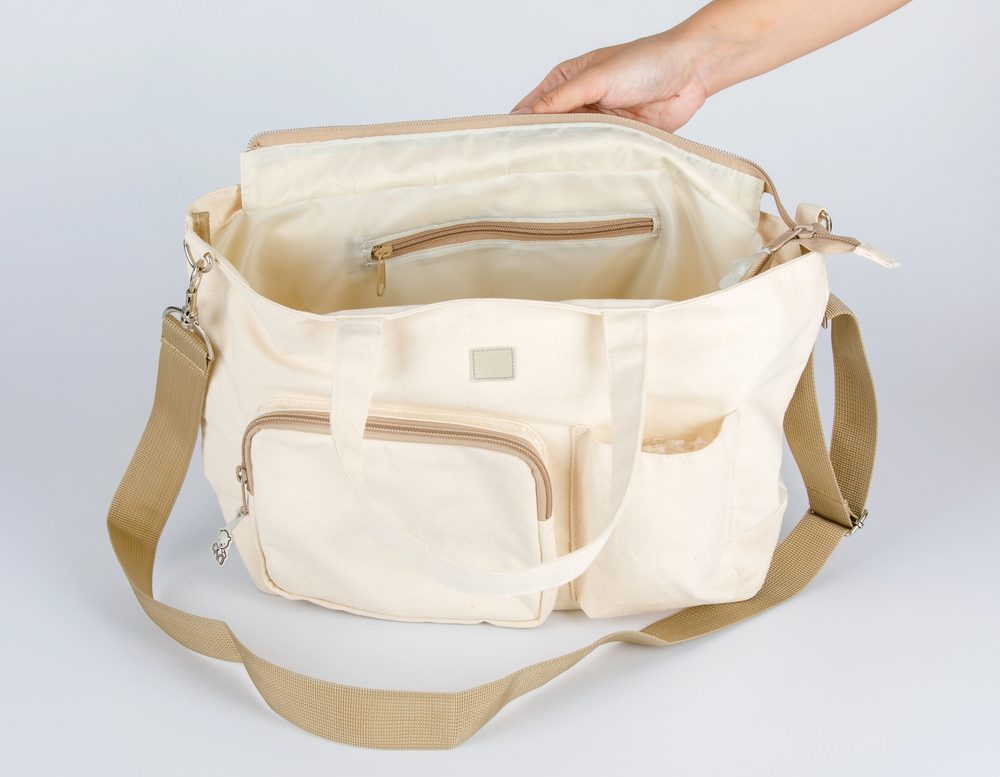
Carrying cases make transporting your breast pump more discreet and convenient. However, whether a breast pump comes with a carrying case shouldn’t be a dealbreaker. If you find a pump that you love that doesn’t have a carrying case, you can easily transport it in a diaper bag or purchase a tote bag specifically designated for your pump.
Some pumps have units that are built into the carrying case for easy transport, like the Medela Pump In Style Advanced models. Others come with a bag designated for transporting the pump.
A Cooler
Select breast pumps come with coolers specifically designated for storing breastmilk. Coolers are valuable for women who need to store breastmilk during the day after pumping at work or anywhere else outside the home. They’re ideal for working mothers who want a discreet solution for storing breastmilk and don’t want to rely on the break room refrigerator. They also provide a convenient way to store breastmilk when pumping on road trips.
These coolers typically come with custom ice packs, and are small, compact, and can store several bottles of breastmilk at a time. If you find a breast pump that doesn’t come with a cooler, you can buy one separately that will work best for your needs.
A Letdown Feature
Many breast pumps have a letdown phase setting, which is a feature that helps promote optimal milk supply while pumping. Most pumps that have this feature allow for a two-minute interval that can be bypassed as needed. The setting helps mimic natural breastfeeding to ensure optimal comfort and adequate milk production.
A Hospital-Grade Rating
For some women, having a pump with a hospital-grade filter is necessary for multiple reasons. Hospital-grade breast pumps have closed systems that ensure milk and any other fluids will never enter the motor. They’re resilient, have a quiet motor, are built to last, and can accommodate frequent use and multiple users. They also have an array of settings to accommodate each woman’s pumping needs and preferences.
These pumps have a high pumping strength and are ideal for women with NICU or premature babies, women with low milk supply, women whose babies are sick or have difficulty latching, and those with any medical condition that prevents them from breastfeeding.
Total Pump Strength
Another feature to look for when choosing a breast pump is the suction strength. Pumps are rated according to their vacuum strength, which is how strongly the pump holds on to breasts while pumping.
However, high strength doesn’t always equate to more milk supply. Increasing the vacuum strength too high can cause discomfort and pain while pumping. Pumps typically range from 200 to 300 mmHg of suction, and the ideal suction strength will all depend on your needs and preferences.
A Quiet Motor
Some breast pumps, like the Elvie Pump, have a quiet motor that ensures optimal discretion when pumping. If you plan to pump in public places or at night while others are sleeping, having a quiet motor is a feature you’ll want to look for. It offers a more discreet experience without sacrificing performance.
Smart Features
Some breast pumps are equipped with smart features that enable users to track pumping sessions through the manufacturer’s app. For example, the Ardo Alyssa Hands-Free connects to the MyArdo app, where you can track your pumping sessions and your baby’s growth. You’ll also have access to personalized content and can utilize resources on the app.
Having a smart pump isn’t a necessity, but for some women, it will prove beneficial. The Elvie is another popular breast pump that’s controlled by an app. The app has an automated milk tracking system and offers smart pumping rhythms to ensure optimal milk extraction. If you think you’ll benefit from smart features and would like to track your pumping sessions, finding a smart pump will be a good option.
Extra Accessories
Aside from carrying cases and coolers, you may want to find a pump with extra accessories like bottle nipples and extra parts for convenience purposes. As you search for the right breast pump, read through the list of what’s included in the box so that you know exactly what you’re getting and can purchase additional items if needed.
A Manufacturer’s Warranty
Electric breast pumps aren’t inexpensive, which is why purchasing a breast pump with a warranty is the easiest way to protect your investment. Most breast manufacturers provide a one to two-year warranty that covers defective parts or pump malfunctions.
These warranties typically won’t cover accidental damage or issues that result from normal wear and tear. Keep in mind that purchasing your pump well before you need it will shorten your warranty, so once you find the right pump, remember that your warranty begins as soon as you purchase it.
If you’re shopping for a breast pump that’s right for your lifestyle, budget, and needs, we can help. We carry the most popular pumps and accessories and have the resources you need to help you make the right decision.
Being pregnant comes with a lot of dos and don’ts. You probably received a list at your first OB/GYN visit of all of the foods you needed to avoid while pregnant. During the next nine months, you faithfully avoided wine, alcohol, sushi and blue cheese as your little one grew inside of you. Now that you’ve had your baby, you can relax a little bit on the list of strict dietary restrictions from when you were pregnant—but there are still some foods you should avoid while breastfeeding.
Breastfeeding moms pass what they eat onto their baby through their breast milk, so it’s important to be mindful of what you’re eating (and drinking). Taking precautions and keeping these foods and drinks to avoid while breastfeeding in mind will keep your little one growing happy and healthy!
If your only request for a push present is a platter of sushi, we’ve got good news for you: as long as the sushi comes from a high-quality restaurant, sushi and raw fish are generally considered safe for breastfeeding moms. Fish are a great source of protein and omega-3 fatty acids and can help replenish your body. Some fish that are high in mercury, such as swordfish and marlin, should be eaten no more than twice a week to prevent too much mercury from making its way to your baby.
Highly-Processed Foods
Sometimes nothing satisfies a craving like potato chips or a brownie, but try to keep these as an occasional treat. Highly-processed foods don’t offer much nutrition for you, and some studies have found that eating too many during breastfeeding can alter your little one’s food preferences when they are older. This may lead to obesity later on in their life—another reason it’s high on the list of foods to avoid while breastfeeding.
Spicy Foods
Moms all over the world enjoy spicy foods and most babies tolerate them well, so they aren’t completely off-limits. Keep in mind that spicy foods can cause colic, gas and diarrhea in your baby, however, so introduce them slowly and see how eating these may affect your little one. If they are uncomfortable, skip the spicy takeout and opt for something milder.
Chocolate
Chocolate has a small amount of caffeine that can sometimes alter your little one’s sleep schedule. It also has a laxative effect on some babies. So indulging in chocolate as an occasional treat is A-OK—just watch your little one’s reaction afterward.
Cruciferous Vegetables and Beans
Broccoli, cauliflower, bok choy, brussels sprouts, arugula, cabbage and beans are super-foods that are full of vitamins, nutrients and fiber. Unfortunately, if these foods cause gas in you, they will likely cause gas in your baby. A small amount of burping, gas and spitting up is normal in babies, but if your little one seems miserable after you eat these foods, skip them or limit how much you eat. If it continues, you may want to consider supplementing for formula.
Garlic
Studies have found that breast milk takes on the flavors of the foods you eat. This can expose your infant to a wide range of flavors that can help them be less picky eaters later in life. Unfortunately, garlic is a taste that many babies don’t like. Stick to minimal amounts to prevent your baby from refusing to nurse.
Peppermint, Sage and Parsley
These delicious herbs can take your meals to the next level, but if you eat too many of them, your milk supply may decrease. Eat small amounts of the peppermint, sage and parsley while continuing to enjoy your favorite foods.
Alcohol, Beer and Wine
After nine months of no wine or beer, you are probably more than ready to have a drink. Alcohol does pass into breast milk, but it doesn’t mean you can’t have the occasional cocktail. It does mean, however, that you should plan ahead of time. After drinking, it’s important to assess how you are feeling. If you are tipsy or drunk, you shouldn’t breastfeed.
The American Academy of Pediatrics says ‘pumping and dumping’ when drinking isn’t necessary; once the alcohol is out of your blood, it is out of your milk as well. It is generally safe to breastfeed after having one glass of wine or one beer; if you want to have more than this, make a plan. Drink soon after breastfeeding and allow your body time to metabolize the alcohol before nursing again. It typically takes about one hour to metabolize one drink.
Coffee and Tea
After nursing your little one throughout the night, many moms look forward to their morning coffee to keep them alert for the day. Don’t worry, your morning cup of joe is allowed, but the caffeine can make its way to your baby. This can throw off their nap schedule, which may also throw off your nap schedule. Try to drink caffeinated coffee or tea soon after nursing to allow some of it to metabolize before your next feeding session or try opting for a decaf option instead.
Medicines to Avoid or Talk to Your Doctor About
It’s not just certain foods you should avoid while breastfeeding, there are some medications you should avoid, too. Many medications are considered safe to use while you are nursing. This is because most medicines pass in very small amounts to your baby and have little-to-no side effects on him or her. When it comes to treating a chronic condition, the benefits of you staying healthy and taking the medication generally outweigh the minute risks of your little one getting some through your milk. Always talk with your doctor about your medications and ask what is safe to take during breastfeeding. Some medicines to absolutely avoid include:
Cancer drugs
Ergots
Beta blockers
Certain seizure and epilepsy drugs
Pseudoephedrine (may reduce milk supply)
Full-strength aspirin (low dose is considered safe)
Extra strength pain relievers as these can stay in your body for a longer period of time
How to Know if the Foods You Eat While Breastfeeding are Affecting Your Baby
Though breastfeeding moms can typically eat whatever they like, some babies have food sensitivities or intolerances. If you eat foods that your little one is sensitive to, a small amount can make its way to him or her in your breast milk and affect them. Some symptoms that may indicate that your baby has a food sensitivity or intolerance include:
Excessive fussiness
crying inconsolably for long periods of time
Hives or a raised, itchy rash
Difficulty with sleeping
Colic
Dry skin
Diaper rash
Red, itchy eyes
Vomiting
Diarrhea
Spitting up frequently
Green stools with blood or mucus
If you notice any of these symptoms, talk to your child’s pediatrician. He or she may find another reason that these symptoms are occurring. If you suspect it may be a food intolerance or sensitivity, you could try an elimination diet.
Breastfeeding Elimination Diet
During an elimination diet, you avoid the food that you believe is triggering the problems in your baby. Don’t eat this food at all for two to three weeks. It’s important to check the labels of purchased foods to ensure it isn’t listed as an ingredient. If your baby’s symptoms clear up during these few weeks, then you know that food is causing the symptoms. If they don’t, try another food. Some of the most common foods to avoid while breastfeeding that upset babies include:
Cows’ milk and other dairy products
Eggs
Soy
Peanuts
Tree nuts
Fish/seafood
Whole wheat
Corn
Introducing Foods Back into Your Diet
If you tried an elimination diet and discovered a food that is causing a reaction in your baby, it is best to completely avoid this food for several months. As your little one’s immune and digestive systems strengthen and grow, he or she may be able to handle these foods again. After three months you can try eating the trigger food. Begin eating it in small amounts. If your baby seems to be okay, he or she might have outgrown the sensitivity. If the symptoms return, you will need to avoid eating the food until you are done breastfeeding.
Once you start introducing solids to your baby make sure that you avoid feeding him or her any foods with ingredients that are trigger foods. Being directly fed these foods will likely cause stronger reactions than they had when breastfeeding.
Replenishing Your Body with Nutrients
When you were pregnant, your body nourished your growing baby with the food and drinks that you ingested. Breastfeeding works a little differently. Your milk is produced in your mammary glands using your body’s extra reserves of nutrients and calories. While a specific diet isn’t required for your body to make milk, it does need enough calories to do so.
If you aren’t consuming enough calories or are eating a less-than-healthful diet, your body will use the calories and nutrients to make your breast milk first. This leaves your body to rely on whatever may be leftover. Without enough nutrition and calories, you may leave your body depleted of the necessary nutrients for your own health. As a mom, you make a lot of sacrifices for your baby, but your own health shouldn’t be one of them. Eat a nutritious diet that has a healthy balance of carbohydrates, protein, fat and nutrients to keep yourself healthy.
Let Us Help You Reach Your Breastfeeding Goals
Many moms begin their breastfeeding journey with a goal in mind. This may be to breastfeed for as long as your little one wants or for the first six months of his or her life. Whatever your goals, we want to help. Use our simple three-step form to instantly see if you qualify for a free insurance-provided breast pump now.
Breast pumping is a wonderful way to continue to provide your baby nutritious breast milk while you are at work or away from your baby for a prolonged period of time. Because breast milk production increases the more that the baby nurses, breast pumping after nursing can also help struggling moms to increase their milk supply. Make your breast pumping sessions successful with these simple tips.
Acquire a Breast Pump that Works for You
We offers a variety breast pumps equipped with features to make pumping as comfortable and convenient for mom and baby as possible. Our models offer two pumps which allow you to pump both breasts at the same time, saving you valuable time and energy. The Affordable Care Act requires that most insurance companies provide breast pumps to new and expectant mothers. We accepts most insurance providers. By completing a simple form, we handle all the paperwork and you receive a quality breast pump that suits your individual needs.
Find the Proper-Size of Flange
Breast pump flanges, which attach to the breast and drain the milk, come in a standard size of 24 millimeters. Because there is no “standard” size of breasts when it comes to moms, you may have larger or smaller breasts that require a different size of the flange. An ill-fitting flange can decrease milk production or cause clogged milk ducts. Try the standard-size of the flange to see if it works for you. Your nipple should move freely in the flange, with a small amount of your areola being drawn in while pumping. If too much areola is being drawn in or the flange is tight on your nipple, a larger or smaller flange can make pumping more comfortable and more productive.
Establish a Pumping Schedule
Most babies require milk every three to four hours. In order to get the most out of your pumping sessions, establish a pumping schedule that mimics your baby’s needs by pumping at least every three hours. Begin in the morning, when breast milk production is at its highest, and continue to pump regularly throughout the day. Each pumping session should last between 10 and 15 minutes. Experts recommend pumping at least eight to 10 times a day for the best results.
Eat Healthy Snacks and Drink Lots of Water
Your body requires extra calories and water while breastfeeding. Eating a nutritious snack while pumping is a great way to get the extra calories and nutrients you need for healthy breast milk production. Pack a small bag with apple slices, string cheese or nuts and place it in your breast pump bag, along with several water bottles, to make healthy snacking easier.
Encourage Let-Down
Some moms have difficulty with milk let-down without their baby present. Encourage your milk to let-down by relaxing, placing a warm compress on your breast, gently massaging your breast in a circular motion and thinking about your baby. Many moms find it helpful to look at a picture of their baby during pumping away from home. Including a small picture in your breast pump bag can help.
Get Your Nursing Station Set-Up
Whether pumping away from home or after nursing your baby in the nursery, it’s important to set up a place for you to be you comfortable while you pump. A small blanket or cardigan nearby will help if you get chilly or feel more comfortable covering up during pumping. A good book can help keep you relaxed and occupied while pumping. Always sit in a comfortable chair with good support in order to prevent muscle tension or fatigue.
Tips for Moms Who are Increasing Milk Supply Through Pumping
We understand how challenging it can be to increase your milk supply or build up extra milk while still nursing your baby at home. Try pumping on the side that your baby didn’t nurse on, pumping for five to 10 minutes after each nursing session or pumping every three hours during the night while your baby is sleeping.
With the right preparation, you can continue to provide your baby breast milk after you return to work or for the babysitter while you are out through pumping. With our unique selection of pumps, moms can rest assured that they’ll find a fit and flow that’s most comfortable for her unique needs. We can help you gather the supplies and equipment you need so that you can relax and take care of yourself while you provide milk for your new little one.
Experts agree that breastfeeding your little one for the first year of his or her life will provide the best nutritional start, but different challenges can make doing so difficult.
If possible, experts recommend waiting until your little one is about two months old before introducing the bottle to ensure your milk supply is well-established and he or she has gained a steady amount of weight.
Though they seem similar, breastfeeding and bottle feeding require different tongue and facial actions, which can make it difficult for a baby who has been exclusively breastfed to figure out how to make the switch.
Combining breast and bottle feeding offers you the ability to go back to work or out for the evening while still providing your little one nutritious breast milk.
Using a breast pump can help you to keep up or increase your milk supply or, if you are unable to do so, introducing formula can help to ensure that your little one is getting the nutrition he or she needs.
Experts agree that breastfeeding your little one for the first year of his or her life will provide them the best nutritional start. Though many moms aspire to exclusively breastfeed their babies during the first year, different challenges can make doing so difficult. Combining breast and bottle feeding offers many moms the best of both worlds.
Reasons for Combining Breast and Bottle Feeding
There are many different reasons to offer your little one a combination of the breast and bottle. These include:
Providing your little one nutrition when you go back to work.
Giving others the opportunity to feed your little one while you rest or are away for the evening.
Beginning to breastfeed when your little one has been given bottles in the NICU due to premature birth.
Allowing you to continue to provide breast milk for your baby during health complications or sudden life changes.
Giving you the opportunity to compromise if breastfeeding is extremely challenging without giving up nursing completely.
Ideal Timeline for Bottle Introduction
During the first six to eight weeks of breastfeeding, your body will adjust to making the perfect amount of milk for your little one based on supply and demand. Because of this, experts don’t recommend introducing a bottle or a pacifier during this time. If possible, wait until your little one is about two months old before introducing the bottle. This will ensure your milk supply is well-established and he or she has gained a steady amount of weight.
Introducing the Bottle to Your Little One
Many moms who have been exclusively breastfeeding for the first couple of months of their little one’s life may be surprised when they try to give a bottle to their baby for the first time and find that he or she won’t take it. Though they seem similar, breastfeeding and bottle feeding require different tongue and facial actions, which can make it difficult for a baby who has been exclusively breastfed to figure out how to make the switch. Try these tips for helping your baby adjust to the bottle.
Try Different Bottles
There are a variety of different bottles and nipples on the market. It can take several tries before finding the perfect one for your little one. Don’t be afraid to experiment. Additionally, check out the flow rate of the nipple. If you have a fast letdown, a slow-drip nipple will quickly frustrate your baby.
Wait Until Your Little One is Satisfied
It may seem strange, but it can be helpful to breastfeed your little one for a few minutes before trying a bottle. When your little one is screaming to be fed, he or she won’t be as willing to try something new as when their belly is full.
Try a Different Position
Many moms hold their little one in a “cradle hold” against their chest during breastfeeding. If you try to hold your little one in a similar matter for bottle feeding, he or she may be confused. Try holding him or her in a different position.
Ask for Help
By this point, your little one probably equates your face, smell and touch with food. If you’ve been breastfeeding for months, your little one won’t understand why nursing isn’t happening when you try to provide a bottle. Asking someone else to feed your little one a bottle can make the transition easier.
Choosing to Introduce Formula
If you go back to work, you can continue to provide your little one breast milk while you are away by using a breast pump. Using a breast pump can help you to keep up or increase your milk supply, so you can continue to breastfeed your little one at home. If you aren’t able to do so, you may need to introduce formula to ensure that your little one is getting the nutrition he or she needs.
Because formula tastes different than breast milk, your baby will need to adjust. If your little one is rejecting formula, try combining breastmilk and formula in the same bottle.
It’s important to remember that if you are feeding your little one formula, your milk supply will most likely dip. Breastfeeding or pumping as much as possible when you and your little one are together will help you to maintain your supply.
Combining breast and bottle feeding offers you the ability to go back to work or out for the evening while still providing your little one nutritious breast milk. Only you know what’s best for your unique situation and baby. Offering both may give you the”break” you need in order to reach your breastfeeding goals as your little one grows this first year.
You just spent nine months “eating for two,” and now that you are breastfeeding or pumping, you aren’t quite done yet. Your body is designed to make breast milk for your little one that is perfectly balanced in carbohydrates, protein and fat.
Moms who don’t eat nutritiously still provide their little ones with perfect breast milk because the body taps into its own reserves to make the milk. Unfortunately, while your diet won’t affect your little one’s milk, it will affect your own health. Eating a healthy, balanced diet is the best way for both you and your little one to get the nutrition you need.
How to Eat Healthy Without Affecting Your Milk Supply
Your body works hard to make breast milk for your little one. You will need to consume 400 to 500 more calories a day in order to provide your body with the energy to make breast milk. This increase in caloric needs is why you may feel extra hungry while you are nursing.
Though there is no specific “breastfeeding diet” to follow, nutritionists recommend that breastfeeding moms try to get the following servings of food per day for optimal health:
3 to 4 servings of healthy whole grains and complex carbohydrates, such as brown rice, whole wheat bread, sweet potatoes and oatmeal
4 to 5 servings of whole fruits and vegetables, such as carrots, peas, apples and tomatoes
1 or more servings of iron-rich foods, such as red meat and spinach
3 servings of proteins, such as chicken breast, eggs, fish, turkey and lean pork cuts
5 servings of calcium, such as milk, yogurt and cottage cheese
1 to 2 servings of healthy fats, such as olive oil, coconut oil and avocados
2 to 3 servings per week of omega-3 rich foods, such as salmon and walnuts
Eating a well-balanced diet will help ensure that you don’t become deficient in any nutrients. Because your breast milk actually takes on the different flavors and scents of the foods you eat, some experts believe that eating healthy while you are nursing can expose your little one to a variety of different foods, which can make your baby more willing to eat a wider variety of foods when he or she is ready for solids.
Though your body is designed to continue to make breast milk even during times of famine or hardship, if you don’t eat enough calories or you avoid eating whole food groups, your milk can suffer over time.
Tips and Advice for Healthy Eating
Eat a small meal or a snack approximately every three hours to keep you from feeling hungry and to keep your energy levels high
Plan and prepare snacks ahead of time while your little one naps in order to avoid grabbing an unhealthy option when hunger strikes
Stash healthy snacks near the rocker where you breastfeed, in the diaper bag and with your breast pump in case you get hungry while nursing or pumping
Make a list of foods that seem to affect your little one and keep it on the fridge for easy reference
Don’t focus on counting calories; eat when you are hungry and stop as soon as you are satisfied because your caloric needs can increase/decrease depending on your little one’s hunger levels
The good news is that you can relax on the dietary rules that your doctor gave you during pregnancy. This means that it’s now okay to occasionally eat/drink:
Coffee (try to drink right after nursing/pumping to avoid your little one getting too much caffeine)
Alcohol (try to drink right after nursing or pumping so that your body can metabolize it before breastfeeding again)
Soft cheeses
Shellfish
Sushi
Unfortunately, while most foods are no longer off-limits, you will quickly learn that your little one’s body can’t handle some of the foods that you eat. It typically takes anywhere from two to six hours for the foods you eat to make it into your breast milk. Your little one may because extra fussy, gassy or have diarrhea after you eat the following:
Broccoli
Cauliflower
Onion
Garlic
Chocolate
Spices
Strawberries
Kiwifruit
Pineapple
Melons
Weight Loss and Breastfeeding
After nine months of not fitting into your pre-pregnancy jeans, you probably can’t wait to get your pre-pregnancy body back. It is possible to lose weight while breastfeeding, but it’s a good idea to not cut back until your little one is about two months old. By this time, your milk supply should be well-established and you can safely try to lose weight by cutting 200 to 300 calories from your diet each day.
A safe amount of weight to lose while breastfeeding is one pound per week. Avoid crash or fad diets that severely cut calories or food groups and promise large amounts of weight loss as these can harm the quality and quantity of your milk over time.
Being able to provide your little one breast milk through nursing or pumping is the best way to give your baby the best nutritious start in life. Eating a healthy diet, drinking plenty of water and continuing to take your prenatal vitamin each day will give you and your little one all of the nutrients and vitamins you need for optimal health.
During each breastfeeding session, your body will naturally go through two different phases: let down and expression. Understanding each phase can help ensure that your baby is getting enough milk and that your body is making adequate milk for your little one.
Phase 1: Let Down
Once your baby latches onto your breast, he or she will begin to suck vigorously. This fast sucking will stimulate the nerves in your breasts, which signals the release of a hormone called oxytocin. The release of oxytocin will make the small muscles that surround your milk-producing tissue to contract. This contracting of the tissue will squeeze milk into your ducts. Let down typically takes two minutes to occur.
When your milk lets down, you may feel a small amount of pain or tingling in your upper breasts. Many moms describe it as a “pins and needles” feeling. You may see lumps form in the skin around your areola. This is milk that has filled up in the ducts.
Let down can also happen if your brain is mentally stimulated. This can happen by hearing the sounds of a crying baby, looking at a picture of your little one or by smelling a piece of your baby’s clothing. Relaxing and thinking about your baby can signal the release of oxytocin in your brain, which will cause your milk to let down.
Phase 2: Expression
After your milk has let down, you will enter the expression phase of your breastfeeding session. During expression, your baby’s sucking will slow down and you will hear him or her swallowing the milk. As your baby becomes satisfied, their sucking will continue to slow down. Your baby will naturally begin sucking in a “suck, pause, swallow” rhythm as the milk is expressed and their tummy begins to fill.
As your breast empties, your baby may start to fall asleep or may come off of the breast completely. Use this opportunity to take a short break and burp your baby before switching sides and repeating the process.
Your body makes milk based on “supply and demand.” It’s important that your little one remains at the breast through both let down and expression in order to empty your breast as much as possible. This will, in turn, signal to your body that more milk needs to be made.
Foremilk and Hindmilk
Though your body only makes one type of milk, its nutrition and fat contents vary throughout each nursing session. Foremilk is the milk that is released during the beginning of nursing, immediately following let down. It will immediately quench your baby’s thirst as it has a higher water content.
Hindmilk is the milk that comes at the end of the nursing session, during expression. Hindmilk has a high-fat content, which will help your little one feel full and satisfied (and help them develop those adorable baby rolls). If you don’t completely empty your breast before switching sides, your baby may not get enough hindmilk. Always finish nursing on one side before switching to the other breast.
Tips for Moms Who Pump
In order to provide the best milk for your little one and maintain your milk supply, it’s important to experience both phases during each pumping session. It can sometimes be difficult to experience let down when you are away from your baby. Be sure you have a pump that makes the process easy, so that you can always be relaxed. The following tips may help:
Try to relax as much as possible.
Bring a photo of your little one to look at while pumping and a small article of clothing. Look at the picture, close your eyes and try to envision your baby.
Set your pump to a higher speed with less suction at the beginning of the pumping session. After your milk has let down, increase the suction and slow your speed. This will help mimic your baby’s natural rhythm and help empty your breasts.
Pump for 10 to 15 minutes per side, waiting until milk expression has slowed down or stopped completely.
Your body naturally goes through two phases during each breastfeeding session. By making sure that your little one remains at your breast through both phases of breastfeeding, you will ensure that your little one gets all of the nutrition that he or she needs and that your milk supply will be maintained as you continue through your breastfeeding journey.
Need help? Give us a call at 888-495-7491 Monday - Friday, 8:30 a.m. - 5:30 p.m. and Saturday/Sunday 9:00 a.m. -- 5 p.m.
Translate »
Manage your privacy
To provide the best experiences, we use technologies like cookies to store and/or access device information. Consenting to these technologies will allow us to process data such as browsing behavior or unique IDs on this site. Not consenting or withdrawing consent, may adversely affect certain features and functions.
Functional
Always active
The technical storage or access is strictly necessary for the legitimate purpose of enabling the use of a specific service explicitly requested by the subscriber or user, or for the sole purpose of carrying out the transmission of a communication over an electronic communications network.
Preferences
The technical storage or access is necessary for the legitimate purpose of storing preferences that are not requested by the subscriber or user.
Statistics
The technical storage or access that is used exclusively for statistical purposes.The technical storage or access that is used exclusively for anonymous statistical purposes. Without a subpoena, voluntary compliance on the part of your Internet Service Provider, or additional records from a third party, information stored or retrieved for this purpose alone cannot usually be used to identify you.
Marketing
The technical storage or access is required to create user profiles to send advertising, or to track the user on a website or across several websites for similar marketing purposes.