The Benefits of Using a Breast Pump for New Moms

The Benefits of Using a Breast Pump for New Moms

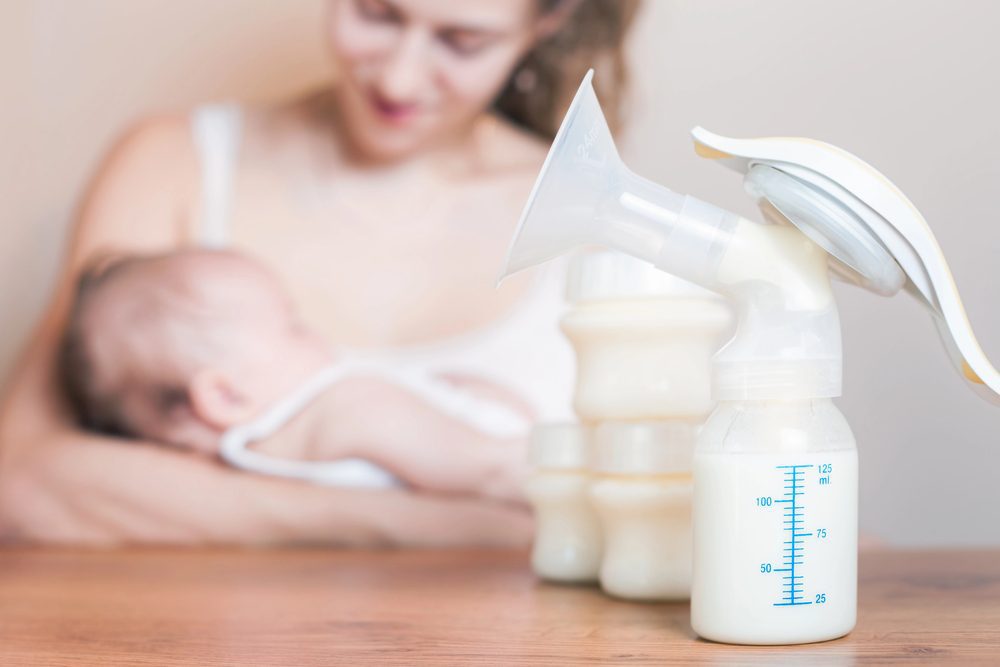
For new moms, feeding their baby is one of the most important responsibilities, and having the right tools can make a big difference. Breast pumps provide flexibility, comfort, and convenience, helping mothers manage their feeding routine more effectively. Whether you are staying at home or returning to work, using a breast pump can support both your lifestyle and your baby’s nutritional needs.

Many parents explore options like insurance-covered breast pumps to make the process more affordable. Understanding how to get a breast pump through insurance can help reduce costs while ensuring access to high-quality equipment. With the right support and tools, pumping can become a seamless part of your daily routine.

Flexibility in Feeding

One of the biggest benefits of using a breast pump is flexibility. Pumping allows you to feed your baby even when you’re not physically present. This makes it easier to maintain a consistent feeding schedule while managing other responsibilities.

Mothers can also use pumps covered by insurance to ensure they have reliable equipment without added financial stress. This flexibility is especially helpful for busy households and working parents.

Maintain and Boost Milk Supply

Regular pumping helps maintain and even increase milk supply. By expressing milk consistently, your body continues to produce the amount your baby needs.

Using tools like a hands-free breast pump through insurance can make it easier to pump more frequently, especially for moms who are multitasking. This consistency plays a key role in supporting long-term breastfeeding success.

Relieve Breast Engorgement

Breast engorgement can be uncomfortable and sometimes painful. Pumping helps relieve pressure by removing excess milk and keeping breasts comfortable.

This not only improves comfort but also reduces the risk of complications such as blocked ducts. Having access to breast pump accessories through insurance can further enhance the pumping experience by improving comfort and efficiency.

Support Returning to Work

Returning to work can be challenging for new moms, but breast pumps make the transition easier. Pumping allows you to continue providing breast milk even when you’re away from your baby.

Many mothers choose to get a breast pump through insurance to ensure they have a dependable solution for maintaining their feeding routine while balancing work commitments.

Feed Preterm or Ill Babies

For babies who are premature or unable to nurse directly, breast pumps play a vital role. Pumping allows mothers to provide essential nutrients even when direct breastfeeding isn’t possible.

In such cases, using reliable insurance-covered pumps helps maintain a consistent milk supply while supporting the baby’s health and overall development.

Store Milk for Future Use

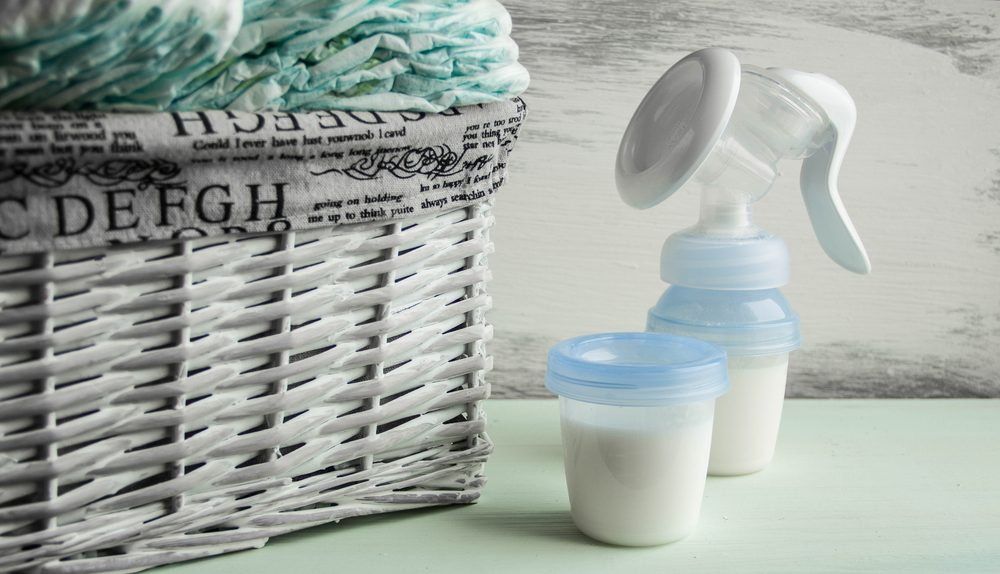
Breast pumps allow you to store milk for later use, providing added convenience and greater flexibility in managing your feeding routine. Stored milk can be used during busy days or when someone else is caring for your baby.

Having a stored supply also provides flexibility for unexpected situations, helping you stay prepared always.

Address Latch and Nursing Challenges

Some babies may have difficulty latching, which can make breastfeeding stressful. Pumping offers an alternative way to ensure your baby still receives the benefits of breast milk.

Using breast pumps covered by insurance can help mothers overcome these challenges without compromising on nutrition or comfort.

Convenient and Comfortable Pumping

Modern breast pumps are designed for convenience and comfort. Features such as portability, quiet operation, and adjustable settings make pumping easier than ever.

A hands-free breast pump through insurance is especially useful for moms who need to multitask while pumping, offering both efficiency and ease of use.

Encourage Shared Bonding with Family

Pumping allows other family members to participate in feeding, creating opportunities for bonding. Partners and caregivers can help with feeding, giving moms time to rest and recover.

This shared responsibility strengthens family connections while ensuring the baby’s needs are met consistently.

Promote Health for Mom and Baby

Breast milk provides essential nutrients that support a baby’s growth and development. For moms, breastfeeding and pumping can also offer health benefits, including faster postpartum recovery.

Using breast pump accessories through insurance can make the process smoother and more efficient, helping both mother and baby benefit from a consistent feeding routine.

Breast pumps offer numerous advantages for new moms, from flexibility and convenience to improved health and comfort. They make it easier to manage feeding schedules, maintain milk supply, and adapt to different situations.

At Breastpumps.com, we help simplify the process by guiding parents through their options and making it easier to go through insurance. With access to reliable tools and support, moms can confidently provide the best care for their babies while maintaining their own well-being.

Frequently Asked Questions

1. When should I start using a breast pump?

You can start once breastfeeding is established, usually within a few weeks after birth. Consult your healthcare provider for personalized guidance.

2. How often should I pump?

Usually, pumping takes 2–3 hours to maintain the supply. Frequency depends on your baby’s schedule and on your body’s response.

3. Does pumping hurt?

Pumping should not be painful. Discomfort may occur if the fit or suction is incorrect. Adjusting settings can improve comfort.

4. Can I build a milk stash for daycare or work?

Yes, pumping allows you to store milk for later use, making it easier to prepare for daycare or returning to work.

5. What type of pump is best: manual or electric?

Electric pumps are ideal for frequent use, while manual pumps suit occasional use. The best option depends on your needs.

6. Can pumping affect my milk supply?

Yes, consistent pumping can help maintain or increase milk supply. Regular milk removal signals your body to continue producing milk.

7. How do I clean a breast pump?

Clean all removable parts after each use with warm, soapy water and allow them to air dry. Proper cleaning ensures hygiene and safe use for your baby.

8. Can I pump both breasts at the same time?

Yes, many pumps support double pumping, allowing you to express milk from both breasts simultaneously. This saves time and may improve milk production.

9. Is it normal to pump less milk than my baby consumes?

Yes, pumping output can be lower than direct breastfeeding. This is normal, especially in the early stages, as your body adjusts to pumping.

10. Can I combine pumping and direct breastfeeding?

Yes, many moms use both methods. Combining pumping and breastfeeding provides flexibility while ensuring your baby receives the benefits of breast milk.

Are All Breast Pumps Covered by Insurance? Understanding Brand, Model, and Upgrade Rules

Are All Breast Pumps Covered by Insurance? Understanding Brand, Model, and Upgrade Rules

Navigating breast pump insurance coverage can be confusing, as plans vary in what they include. Many parents are unsure whether all pumps are covered or if certain models require additional costs. Understanding your coverage helps you make informed decisions and avoid unexpected expenses.

Most plans offer insurance-covered breast pumps, with eligibility and options that depend on provider guidelines. Knowing the requirements and approved suppliers makes it easier to get a breast pump through insurance and choose the right option on time.

Insurance Coverage Basics for Breast Pumps

Under many healthcare plans, breast pumps are considered essential postpartum support. This means most insurance providers offer some form of coverage, either fully or partially. However, coverage may vary based on the type of pump, timing, and medical necessity.

Typically, insurance plans cover standard electric pumps, while premium models or specialized options may require an upgrade fee. Understanding these basics helps you identify what is included and what comes with additional costs.

Brands and Models Typically Covered

Not all breast pump brands and models are covered equally. Most insurance plans include a selection of standard electric pumps that meet basic needs.

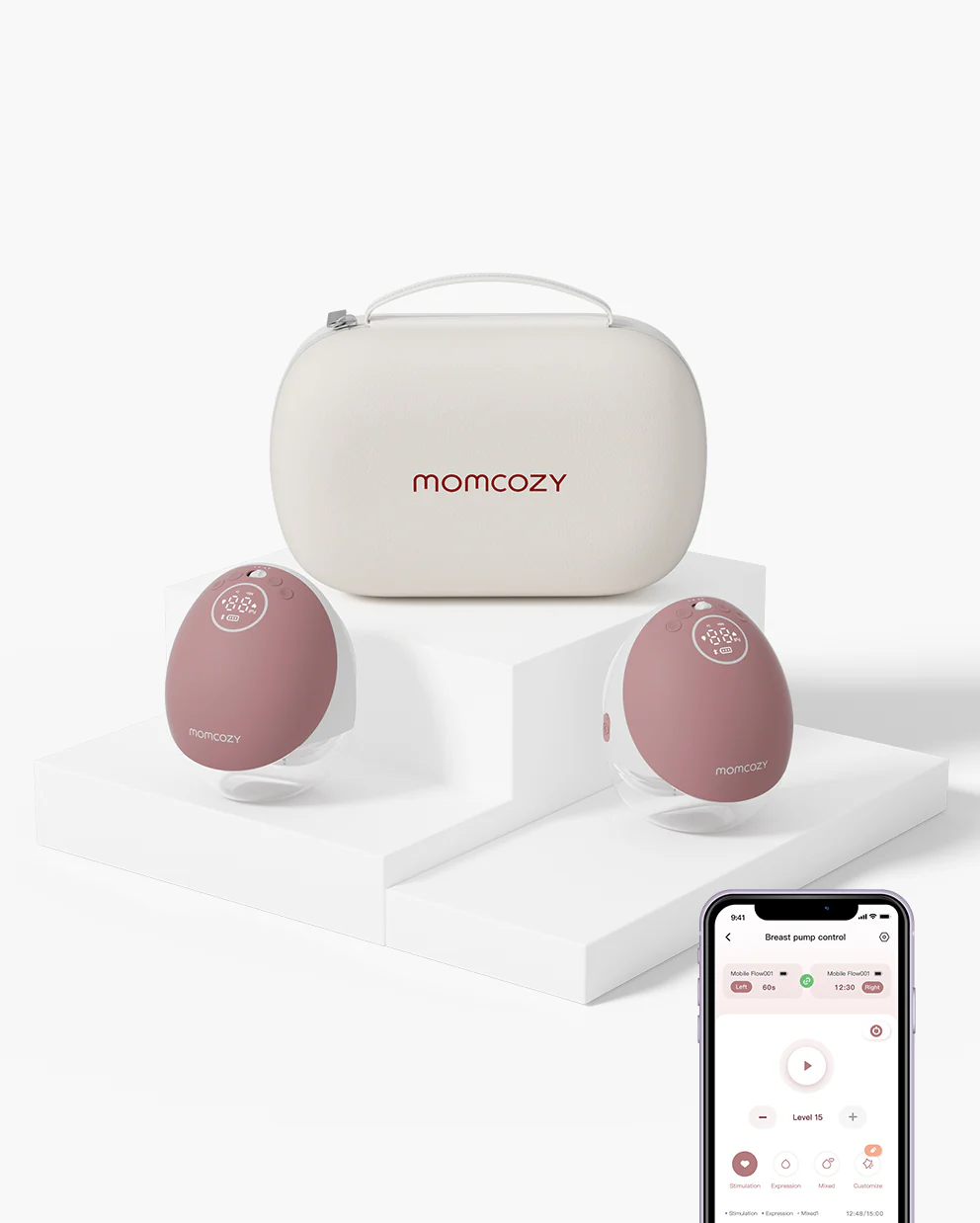
Advanced options, such as wearable or hands-free models, may only be partially covered, with upgrade costs paid out of pocket. Checking your provider’s approved list helps you choose a suitable option within your budget.

Upgrade Policies: What You Can Get

Upgrade policies allow you to select a higher-end pump by paying an additional cost beyond what insurance covers. For example, if you are interested in a hands-free breast pump through insurance, your provider may contribute toward the base cost, while you cover the upgrade difference.

This flexibility provides access to more convenient and advanced features without compromising your insurance benefits. Similarly, you may also be able to request breast pump accessories through insurance, depending on your plan and eligibility.

Choosing the Right Pump for Your Needs

Selecting the right breast pump depends on your lifestyle, frequency of use, and personal preferences. Some parents prefer standard electric pumps for regular use, while others benefit from wearable or portable options.

When choosing a pump, consider factors such as comfort, efficiency, portability, and ease of cleaning. Understanding your daily routine can help you decide whether a basic model is sufficient or if an upgraded option is worth the investment.

How to Verify Your Coverage

Before making a decision, it’s important to verify your insurance coverage. Start by contacting your provider or working with an authorized supplier who can guide you through the process.

You may need to confirm details such as eligibility, approved brands, and documentation requirements. Many providers make it easier to get a breast pump through insurance by offering online verification tools or direct assistance.

Common Restrictions and Exceptions

While most insurance plans offer coverage, certain limitations may apply. These can include restrictions on the type of pump, eligibility timing, or the number of pumps covered per pregnancy.

Additionally, some models, which are used with hands-free breast pumps through insurance, may only be partially covered or require an upgrade fee. Being aware of these details helps you plan and avoid delays.

Tips for Getting the Most from Your Insurance

  • Start the process early to avoid delays and ensure timely approval.
  • Review your coverage details carefully to understand what is included.
  • Choose approved providers to ensure a smooth and hassle-free experience.
  • Minimize costs out-of-pocket by selecting covered models and options.
  • Check if your plan includes breast pump accessories through insurance for added convenience.
  • Take full advantage of available benefits to maximize the value of your coverage.

Understanding breast pump insurance coverage is essential for making the right choice based on your needs. While most plans include insurance-covered breast pumps, the specifics can vary based on brand, model, and upgrade options.

At Breastpumps.com, we simplify the process by helping you navigate your coverage and choose the best option for your situation. Whether you’re exploring standard models or considering upgrades, our goal is to make the experience easy, efficient, and stress-free.

Frequently Asked Questions

1. Are manual pumps covered by insurance?

Many insurance plans cover manual pumps, but they are less commonly offered than electric models. Coverage depends on your provider and plan details, so it’s best to verify your specific benefits.

2. Can I get a wearable pump through insurance?

Some insurance plans offer partial coverage for wearable pumps. You may need to pay an upgrade fee if the model exceeds the standard coverage provided by your insurance plan.

3. Do I need a prescription for insurance coverage?

Yes, most insurance providers require a prescription from your healthcare provider to approve coverage for a breast pump. This confirms medical eligibility and helps process your request.

4. How long does insurance approval take?

Approval times vary, but most requests are processed within a few days to a couple of weeks. Working with an approved supplier can help speed up the process.

5. Can I order before my baby is born?

Many insurance plans allow you to order a breast pump before delivery, often during the third trimester. Check your provider’s guidelines for exact timing requirements.

6. Are pump accessories included?

Some insurance plans include basic accessories, while others may require separate approval. Coverage depends on your provider and the type of accessories requested.

7. Can I switch models after ordering?

Switching models may be possible before your order is processed. Once shipped, changes are typically limited, so it’s important to choose carefully before confirming your selection.

8. What if my insurance denies a pump?

If your claim is denied, you can request clarification, submit additional documentation, or explore alternative coverage options through approved suppliers.

9. How often can I get a new pump?

Most insurance plans cover one breast pump per pregnancy. Additional coverage may depend on medical necessity or specific plan terms.

10. Are hospital-grade pumps fully covered?

Hospital-grade pumps are usually not fully covered and may require rental or additional fees. Coverage depends on medical need and your insurance provider.

How to Prepare for the Process of Getting a Free Pump Through Insurance

How to Prepare for the Process of Getting a Free Pump Through Insurance

Getting a free pump through insurance is your right under the Affordable Care Act, but like anything related to insurance, it can get complicated and even frustrating. You can really simplify the process by preparing in advance, and successfully getting yours depends on knowing exactly what to have ready and when to act. Or, you can skip a lot of the red tape in the eligibility process when you contact a provider who can deal with the insurance process for you.

Getting Your Insurance Breast Pumps

Get Familiar With the Rules

The Affordable Care Act requires most health plans to include breastfeeding support services and supplies, and that includes a breast pump at no cost to you in the form of copays or deductibles. This applies to both new and expectant mothers, and the pump is considered durable medical equipment.

Check Out Your Specifics

The overall rules are the same, but within those rules, there’s room for plans to vary, and they do. Some will fully cover a standard double electric model, while others allow for upgrades to more portable or hands-free styles if you pay a small difference out of pocket. Medicaid plans in many states follow similar guidelines but may have stricter limits on the type of pump or when you can order it. Private employer plans are usually similar, but self-funded plans sometimes opt out of certain requirements.

Start by pulling out your insurance card and reading through your plan documents. Look specifically for sections on preventive services, maternity benefits, or durable medical equipment, and remember that your breast pump details might be in more than one section. Since many plans post their full policy details online through a member portal, your best bet is often just to log in and search terms like “breast pump” or “breastfeeding equipment” to see exactly what is listed as covered.

Write Down the Important Info

Pay close attention to any notes about quantity limits, though one pump per pregnancy or birth is usually standard, and especially whether accessories like replacement flanges, tubing, or bottles are included. Some plans will cover a one-month or three-month supply of parts at no extra cost, but not all will.

Write down any restrictions you see, like requirements to use in-network suppliers. If you cannot find clear answers, call the number on your card and ask to speak with a representative about breastfeeding equipment benefits. Have a pen and paper ready so you can jot down the representative’s name, the date of the call, and the exact details they provide.

Get Personal Details Ready to Apply

Next, gather every piece of personal information you will likely need. You’ll definitely be required to give your full name, date of birth, mailing address, and phone number, and you might also need your estimated due date or your baby’s actual birth date if you’ve already delivered. Keep your obstetrician’s or midwife’s contact details close because a prescription or letter of medical necessity might also be required.

Create a simple folder on your computer or phone with digital copies of your insurance card, plan summary, and any prenatal records that mention breastfeeding support. Organizing these now means you don’t have to hunt for them later when you’re tired and dealing with all the demands of a newborn.

Talk to Your Healthcare Provider

Talk about your plans during a prenatal visit and explain that you intend to request a breast pump through insurance: ask if they can provide a prescription in advance. Many doctors are familiar with the process and will already know the type of pump that best suits your situation. If you have multiples, a history of low supply, or you plan to pump exclusively, make sure the prescription reflects your actual medical needs.

Time Things Right

Timing matters more than most people realize. Although you can start gathering information at any point during pregnancy, many plans will not begin processing orders until either thirty to sixty days before your due date or after delivery. This means if you contact your insurance or a supplier too early, you might have a long delay or even a denial because the benefit has not yet become active for that pregnancy.

Mark your calendar with your due date and count backward thirty days as a safe window to begin the formal request. If you are already past your due date or have delivered, act as soon as possible so your coverage window doesn’t close. Keep track of your insurance plan’s renewal date as well, because if you roll into a new policy year between the time you start planning and the time you actually give birth, that could change your benefits or require you to re-verify everything.

Take Time to Look at Your Choices

Think about the kind of pump that will actually fit your daily life so you can request the right one. Standard double electric pumps work well for many mothers. They offer strong suction and the ability to pump both sides at once. But if you need to move around the house or will return to work pretty quickly, a battery-powered or rechargeable model gives you more freedom because you won’t be tethered to an outlet. Hands-free or wearable styles can slip inside a bra and let you pump while folding laundry, answering emails, or caring for older children.

Consider how often you expect to pump, how long your sessions typically last, and whether you want app integration for tracking output or automatic settings that adjust suction. Look at the number of flange sizes included and how easy replacement parts will be to get, as well as their expense.

Prepare for the Eligibility Process

Prepare a checklist of questions you will ask when you finally submit your information to a supplier:

  1. Will they verify your benefits before shipping?
  2. How long does verification usually take?
  3. What happens if your plan requires additional documentation?
  4. Are there any out-of-pocket costs for your preferred model, and how are they calculated?
  5. Can they request a prescription directly from your doctor if you do not have one?

Write your questions down and keep them with your folder of documents so nothing slips your mind during the call or online form. Once you have everything collected, double-check that your contact information is current in your insurance records. If you have secondary insurance, note those details too, even if you don’t expect them to be primary for this benefit. You want to have info on all your options ready to go.

Avoid Unnecessary Delays

Many mothers run into small snags that could have been avoided by doing a bit of upfront work. For example, having an outdated address on your file can delay shipping, and a missing group number on an order form can cause a long delay because you can’t be verified. Review your plan documents and confirm your details with a representative to reduce the possibility you’ll be frustrated by any of these issues.

Visit us at Breastpumps.com today. Our specialists can handle every piece of paperwork and verification, so you simply select your preferred model, let us know the timing, and then receive your pump at home without all the hassle.

Are All Breast Pumps Covered by Insurance? Understanding Brand, Model, and Upgrade Rules

How to Order an Insurance Covered Wearable Breast Pump

New mothers have to balance breastfeeding with the demands of daily life, and wearable breast pumps are a great way to achieve the balance you need. These compact devices fit discreetly inside a bra, allow hands-free operation, and enable women to express milk while they move through daily routines. The Affordable Care Act requires most health insurance plans to cover these, but the path to obtaining the right one for you can be tough. Trusted suppliers like BreastPumps.com can streamline every aspect of the process.

How to Order an Insurance-Covered Wearable Breast Pump

Wearable breast pumps nestle against the breast and are powered by rechargeable batteries that support on-the-go use. Manufacturers craft them with soft silicone cups that mimic the natural shape of the breast so mom can have comfort, and the quiet motors operate below noticeable levels to preserve privacy.

We specialize in curating collections of breast pumps that highlight the best and most important features, which are backed by years of serving thousands of families. The pumps we offer also meet all standards for safety and efficacy. As advocates for nursing mothers, we want to go beyond simple sales to educate you on proper fit and usage.

Insurance Coverage Under the ACA

The Affordable Care Act mandates that non-grandfathered health plans must cover breastfeeding support, including breast pumps, as a preventive service, and this coverage must come without copays or deductibles. This provision has been effective since 2010, and it applies to one pump per birth along with whatever necessary supplies are required. Insurance plans must provide either a rental or a personal-use model, with a preference for double electric options.

Wearable pumps only qualify when they meet “medical necessity criteria,” however, and this is often determined by your insurer’s network of approved durable medical equipment suppliers and by your doctor’s view about what’s best for you and your baby. Eligibility will depend on your plan type and the timing of the request (which should ideally be 30 days before or after delivery). It’s very important to verify the specifics of your plan by contacting your provider. At BreastPumps.com, we’re a vetted supplier partnering with over 20 major insurers. That means we’re able to confirm your benefits quickly, as our system can cross-reference a policy to reveal exactly what you’re entitled to.

Step-by-Step Guide to Ordering

The process should begin with a simple eligibility check. You can see if you qualify by simply inputting your insurance details and location into our online form. This step will uncover what your plan allows, and once you’re verified, allow you to advance to selection where you can browse options tailored to your lifestyle.

From there, you will be able to complete the order submission. We handle all paperwork to prevent any unnecessary bureaucratic delays, and delivery follows within days. Everything is shipped directly to your home in discreet packaging that safeguards your privacy. Upon arrival, we recommend you unpack the pump and check that you’ve got all the included supplies, like bottles and flanges, so you’re ready to integrate it into your routine. However, be aware that your pump is a medical device and cannot be returned once the seal on the package has been broken. It is recommend that you consult with your in-patient lactation consultant to ensure you select the appropriate pump for your needs.

At BreastPumps.com, our team knows about all the hurdles that could potentially arise, such as mismatched insurer lists, and we resolve them proactively. Our goal is to turn what could be a mundane paperwork task into a seamless transaction for new moms that are running on limited energy.

How We Simplify the Process

We transform the intricate insurance process into a straightforward path. No more making calls and filling out various forms to get the ball rolling. We’ll submit the claims and coordinate with insurers on your behalf.

Our inventory includes the top wearables on the market. You might look at the Willow Go for its spill-proof design, the Zomee Fit for quiet efficiency, or the Ardo Melia for ergonomic comfort. If your preferred model requires you to pay a fee, you’ll find transparent pricing at checkout with various payment options that we offer. Our delivery service is nationwide and comes complete with free accessories.

What truly sets us apart is our advocacy role. We maintain a mommy blog that’s brimming with lactation tips, and warranty management falls under our purview too. We can arrange for prompt replacements that keep you pumping without pause.

Choosing the Right Wearable Pump

Think through your daily needs when selecting a wearable breast pump. How frequently will you need to pump? What’s your activity level? Compact models are often the best for discreet office use, while the Motif Aura Glow appeals to those who need to do night pumping that won’t wake up a partner. Hospital-grade options, such as the Eufy S1 Pro, deliver strong suction for exclusive pumpers.

For wearable breast pumps, comfort and convenience make all the difference. Look for features like long battery life and easy-to-clean parts. They’ll go a long way toward keeping you satisfied in the long run. Silicone cups can help prevent leaks, while adjustable flanges reduce discomfort, especially if you’ll be pumping frequently. Whatever your preferences are, you’ll find detailed breakdowns and product features on our website to help you make an informed choice. In the end, the best pump is the one that feels natural, fits your routine, and gives you confidence every time you use it.

Tips for Successful Pumping with Wearables

Proper alignment, where the flange centers over the nipple to avoid friction and maximize flow, is the most important issue with a pump. Most mothers find that a gentle massage beforehand will trigger letdown, while warm compresses can relax the tissues for smoother expression. A supportive bra with clasps can secure the device in such a way that you don’t have any shifts that disrupt rhythm, especially full-coverage styles.

Consistency matters quite a lot when you’re pumping. If you have sessions every two to three hours, you’ll mimic natural nursing patterns, and this is a great way to keep up your production. Some pumps even feature an app where you can track your progress and uncover helpful insights such as your optimal suction levels, when you might need to hydrate, and other habits that can affect your output. Additionally, developing a cleaning routine after each use can help you stick to a schedule so you have clean, dry parts readily available when it’s time for your next session.

If your yield still seems low, you might find that a position change or deeper breathing can help you relax. Studies have found that stress subtly hampers expression, so not all challenges you face may be physical.

Ready to Check Out the Best Breast Pumps for You?

Getting an insurance-covered wearable breast pump makes motherhood easier, and every mom should have the support she needs to live her life while providing for her baby. At BreastPumps.com, our streamlined services and resources are designed to ensure that mothers can focus on what matters most: connection and care.

Reach out to us today at BreastPumps.com to get started on finding the right pump for you.

How to Choose Hands-Free Breast Pumps for Active Moms

How to Choose Hands-Free Breast Pumps for Active Moms

Whether you’re an expecting mother, a working mother, or a stay-at-home mother, it’s important that you have the right hands-free breast pump to accommodate your active lifestyle. Because there are so many hands-free pumps available, choosing the right one can feel overwhelming. However, once you know what to look for, you can narrow down the options and make the best decision for your needs.

How to Choose the Best Option Among the Hands-Free Breast Pumps Available for Active Moms

Check If the Breast Pump Comes With a Warranty

Hands-free breast pumps are an investment, especially if your insurance company doesn’t provide you with one at no cost. For that reason, it’s recommended to find a breast pump that comes with a warranty.

The best breast pumps will come with a manufacturer’s warranty that ranges anywhere from one to three years on parts and the pump itself. If something goes wrong with the breast pump within the first few years of owning it, the manufacturer will cover the cost of replacement or provide you with replacement parts, so you won’t be left without a working pump for long.

Determine How Often You’ll Use Your Breast Pump

As a new mother, it may be hard to determine when and how often you plan to pump, especially if you don’t know how breastfeeding will go for you. There are so many unknowns with breastfeeding when you’ve never experienced it before.

If you end up facing challenges after giving birth or while breastfeeding that require more supplemental pumping than you expected, having a high-quality pump ready will make all the difference, whether you use it frequently or infrequently.

Explore Your Options

One of the benefits of advancements in hands-free breast pumps is that there are now options designed to accommodate different types of active mothers. The goal of a breast pump is to make feeding your baby easier and support your active lifestyle.

Hands-free pumps are convenient regardless of whether you work in or outside the home, but finding the best breast pump ultimately comes down to choosing one that will meet your needs and accommodate your lifestyle postpartum. That’s why reading more about the options and their features is key.

Available Accessories and Features

Many of the pumps designed for frequent use are ideal for active mothers because they have Wi-Fi connectivity and come with tote bags, ice packs, coolers, car chargers, and extra features and accessories to accommodate those who plan to pump more than breastfeed. These features may be unnecessary for mothers who plan to stay at home or use their breast pumps infrequently, while they’ll prove invaluable for others.

Women who need to pump throughout the workday, store a day’s worth of breast milk at the office, and transport their pump to and from work each day will need pumps with advanced features and settings and extra accessories. Women who plan to use their pump on an as-needed basis and want to primarily breastfeed may be better suited for a hands-free pump that’s designed for home use.
 

Hospital-Grade Pumps 

Hospital-grade pumps are a separate category of breast pumps that have a higher price tag because of their advanced technology and features. Some women will be limited to a hospital-grade pump due to circumstances surrounding their birth, like needing to establish milk supply, difficulty nursing, feeding twins, or feeding a NICU baby.

Hospital-grade pumps have high suction levels, are designed for frequent use, and have closed systems, making them sterile and able to be used by multiple users.

Read Reviews 

Reading reviews before choosing a hands-free breast pump can help you learn more about which options other active moms prefer. There are plenty of women who have gone before you and have chronicled their experience with particular pumps, both through reviews and on personal blogs or social media accounts.

Consider Where You’ll Primarily Use Your Pump

How often and where you plan to pump will help determine whether you need a portable option. Some hands-free pumps are portable and are either battery-operated or come with a rechargeable battery. While the majority of pumps on the market are portable, there are a few that are not and are better for at-home use.

Having a portable pump is ideal if you want to pump anywhere other than your home and don’t want to rely on a power cord. If this is the case for you, be sure to compare battery life between your top contenders to ensure you choose one that meets your on-the-go pumping demands.

Determine Your Flange Size

Breast pumps come with breast shields, which are also called flanges. Flange size can affect different aspects of pumping, including the effectiveness and efficiency of the pump and your overall comfort during the process. You can measure your nipples during the final weeks of pregnancy to determine your approximate flange size, and then again two weeks postpartum for the most accurate measurement.

If you’re uncertain about flange size, choose a pump that offers the most flange options so that you don’t have to find a better option once you start pumping.

Check If Your Insurance Company Provides Coverage

Some insurance companies will provide you with a breast pump at no cost. If that’s the case, you’ll likely be limited to the options they provide. If those no-cost pump options don’t accommodate your needs and lifestyle, purchasing your preferred option may be the best solution.

Determine Your Budget

Like most products, breast pumps range in price based on their features, brand, quality, and the number of accessories that come with that pump. Some pumps may require that users purchase replacement parts at some point for safety, longevity, maintenance, and hygiene purposes.

Once you determine how much you want to or can spend on a breast pump, you can rule out certain options and shop within your range.

Prioritize Simplicity

Choosing the right hands-free breast pump all comes down to comfort, efficiency, and ease of use. During those first few weeks postpartum, life will be a blur. The last thing you want to do is try to learn how to make your breast pump work, which is why it’s important that you choose one that is both easy to use and effective.

Your time should be spent with your baby, bonding, and providing for his or her needs, not troubleshooting a breast pump. As you read reviews and consider your options, look for one that’s highly rated for its effectiveness and that’s known for its ease of use.

Research the Manufacturer’s Website

Once you find a breast pump that will meet your needs, visit the manufacturer’s website. It’s important to learn about the brand, the product, the warranties, and the available accessories.

Knowing what your pump comes with and what it doesn’t ahead of time will ensure you’re prepared and have everything you need to efficiently feed your baby. It will also help determine if you need to purchase extra items, so you can budget accordingly.

When you know what to look for in a breast pump, choosing the right option will be simple and stress-free. If you need resources to help you make the best decision, or need a reliable source from which to buy your breast pump, we can help.

Visit us today at breastpumps.com for more information about the available breast pumps and explore our resources designed for new and active moms.

What Foods To Avoid While Breastfeeding

What Foods To Avoid While Breastfeeding

Being pregnant comes with a lot of dos and don’ts. You probably received a list at your first OB/GYN visit of all of the foods you needed to avoid while pregnant. During the next nine months, you faithfully avoided wine, alcohol, sushi and blue cheese as your little one grew inside of you. Now that you’ve had your baby, you can relax a little bit on the list of strict dietary restrictions from when you were pregnant—but there are still some foods you should avoid while breastfeeding.

Breastfeeding moms pass what they eat onto their baby through their breast milk, so it’s important to be mindful of what you’re eating (and drinking). Taking precautions and keeping these foods and drinks to avoid while breastfeeding in mind will keep your little one growing happy and healthy!

Foods and Drinks to Avoid While Breastfeeding


Salmon

Fish

If your only request for a push present is a platter of sushi, we’ve got good news for you: as long as the sushi comes from a high-quality restaurant, sushi and raw fish are generally considered safe for breastfeeding moms. Fish are a great source of protein and omega-3 fatty acids and can help replenish your body. Some fish that are high in mercury, such as swordfish and marlin, should be eaten no more than twice a week to prevent too much mercury from making its way to your baby.

Highly-Processed Foods

Sometimes nothing satisfies a craving like potato chips or a brownie, but try to keep these as an occasional treat. Highly-processed foods don’t offer much nutrition for you, and some studies have found that eating too many during breastfeeding can alter your little one’s food preferences when they are older. This may lead to obesity later on in their life—another reason it’s high on the list of foods to avoid while breastfeeding.

Red and green peppers

Spicy Foods

Moms all over the world enjoy spicy foods and most babies tolerate them well, so they aren’t completely off-limits. Keep in mind that spicy foods can cause colic, gas and diarrhea in your baby, however, so introduce them slowly and see how eating these may affect your little one. If they are uncomfortable, skip the spicy takeout and opt for something milder.

Chocolate bar

Chocolate

Chocolate has a small amount of caffeine that can sometimes alter your little one’s sleep schedule. It also has a laxative effect on some babies. So indulging in chocolate as an occasional treat is A-OK—just watch your little one’s reaction afterward.

Broccoli, cauliflower, brussels sprouts

Cruciferous Vegetables and Beans

Broccoli, cauliflower, bok choy, brussels sprouts, arugula, cabbage and beans are super-foods that are full of vitamins, nutrients and fiber. Unfortunately, if these foods cause gas in you, they will likely cause gas in your baby. A small amount of burping, gas and spitting up is normal in babies, but if your little one seems miserable after you eat these foods, skip them or limit how much you eat. If it continues, you may want to consider supplementing for formula.

Cloves of garlic

Garlic

Studies have found that breast milk takes on the flavors of the foods you eat. This can expose your infant to a wide range of flavors that can help them be less picky eaters later in life. Unfortunately, garlic is a taste that many babies don’t like. Stick to minimal amounts to prevent your baby from refusing to nurse.

Peppermint, sage and parsley

Peppermint, Sage and Parsley

These delicious herbs can take your meals to the next level, but if you eat too many of them, your milk supply may decrease. Eat small amounts of the peppermint, sage and parsley while continuing to enjoy your favorite foods.

Glasses of beer and wine

Alcohol, Beer and Wine

After nine months of no wine or beer, you are probably more than ready to have a drink. Alcohol does pass into breast milk, but it doesn’t mean you can’t have the occasional cocktail. It does mean, however, that you should plan ahead of time. After drinking, it’s important to assess how you are feeling. If you are tipsy or drunk, you shouldn’t breastfeed.

The American Academy of Pediatrics says ‘pumping and dumping’ when drinking isn’t necessary; once the alcohol is out of your blood, it is out of your milk as well. It is generally safe to breastfeed after having one glass of wine or one beer; if you want to have more than this, make a plan. Drink soon after breastfeeding and allow your body time to metabolize the alcohol before nursing again. It typically takes about one hour to metabolize one drink.

Barista serving coffee

Coffee and Tea

After nursing your little one throughout the night, many moms look forward to their morning coffee to keep them alert for the day. Don’t worry, your morning cup of joe is allowed, but the caffeine can make its way to your baby. This can throw off their nap schedule, which may also throw off your nap schedule. Try to drink caffeinated coffee or tea soon after nursing to allow some of it to metabolize before your next feeding session or try opting for a decaf option instead.

Medicine to avoid while breastfeeding

Medicines to Avoid or Talk to Your Doctor About

It’s not just certain foods you should avoid while breastfeeding, there are some medications you should avoid, too. Many medications are considered safe to use while you are nursing. This is because most medicines pass in very small amounts to your baby and have little-to-no side effects on him or her. When it comes to treating a chronic condition, the benefits of you staying healthy and taking the medication generally outweigh the minute risks of your little one getting some through your milk. Always talk with your doctor about your medications and ask what is safe to take during breastfeeding. Some medicines to absolutely avoid include:

  • Cancer drugs
  • Ergots
  • Beta blockers
  • Certain seizure and epilepsy drugs
  • Pseudoephedrine (may reduce milk supply)
  • Full-strength aspirin (low dose is considered safe)
  • Extra strength pain relievers as these can stay in your body for a longer period of time

How to Know if the Foods You Eat While Breastfeeding are Affecting Your Baby

Though breastfeeding moms can typically eat whatever they like, some babies have food sensitivities or intolerances. If you eat foods that your little one is sensitive to, a small amount can make its way to him or her in your breast milk and affect them. Some symptoms that may indicate that your baby has a food sensitivity or intolerance include:Fussy baby

  • Excessive fussiness
  • crying inconsolably for long periods of time
  • Hives or a raised, itchy rash
  • Difficulty with sleeping
  • Colic
  • Dry skin
  • Diaper rash
  • Red, itchy eyes
  • Vomiting
  • Diarrhea
  • Spitting up frequently
  • Green stools with blood or mucus

If you notice any of these symptoms, talk to your child’s pediatrician. He or she may find another reason that these symptoms are occurring. If you suspect it may be a food intolerance or sensitivity, you could try an elimination diet.

Breastfeeding Elimination Diet

During an elimination diet, you avoid the food that you believe is triggering the problems in your baby. Don’t eat this food at all for two to three weeks. It’s important to check the labels of purchased foods to ensure it isn’t listed as an ingredient. If your baby’s symptoms clear up during these few weeks, then you know that food is causing the symptoms. If they don’t, try another food. Some of the most common foods to avoid while breastfeeding that upset babies include:

  • Cows’ milk and other dairy products
  • Eggs
  • Soy
  • Peanuts
  • Tree nuts
  • Fish/seafood
  • Whole wheat
  • Corn

Introducing Foods Back into Your Diet

If you tried an elimination diet and discovered a food that is causing a reaction in your baby, it is best to completely avoid this food for several months. As your little one’s immune and digestive systems strengthen and grow, he or she may be able to handle these foods again. After three months you can try eating the trigger food. Begin eating it in small amounts. If your baby seems to be okay, he or she might have outgrown the sensitivity. If the symptoms return, you will need to avoid eating the food until you are done breastfeeding.

Once you start introducing solids to your baby make sure that you avoid feeding him or her any foods with ingredients that are trigger foods. Being directly fed these foods will likely cause stronger reactions than they had when breastfeeding.

Replenishing Your Body with Nutrients

Foods to avoid while breastfeeding

When you were pregnant, your body nourished your growing baby with the food and drinks that you ingested. Breastfeeding works a little differently. Your milk is produced in your mammary glands using your body’s extra reserves of nutrients and calories. While a specific diet isn’t required for your body to make milk, it does need enough calories to do so.

If you aren’t consuming enough calories or are eating a less-than-healthful diet, your body will use the calories and nutrients to make your breast milk first. This leaves your body to rely on whatever may be leftover. Without enough nutrition and calories, you may leave your body depleted of the necessary nutrients for your own health. As a mom, you make a lot of sacrifices for your baby, but your own health shouldn’t be one of them. Eat a nutritious diet that has a healthy balance of carbohydrates, protein, fat and nutrients to keep yourself healthy.

Let Us Help You Reach Your Breastfeeding Goals

Many moms begin their breastfeeding journey with a goal in mind. This may be to breastfeed for as long as your little one wants or for the first six months of his or her life. Whatever your goals, we want to help. Use our simple three-step form to instantly see if you qualify for a free insurance-provided breast pump now.

Translate »