

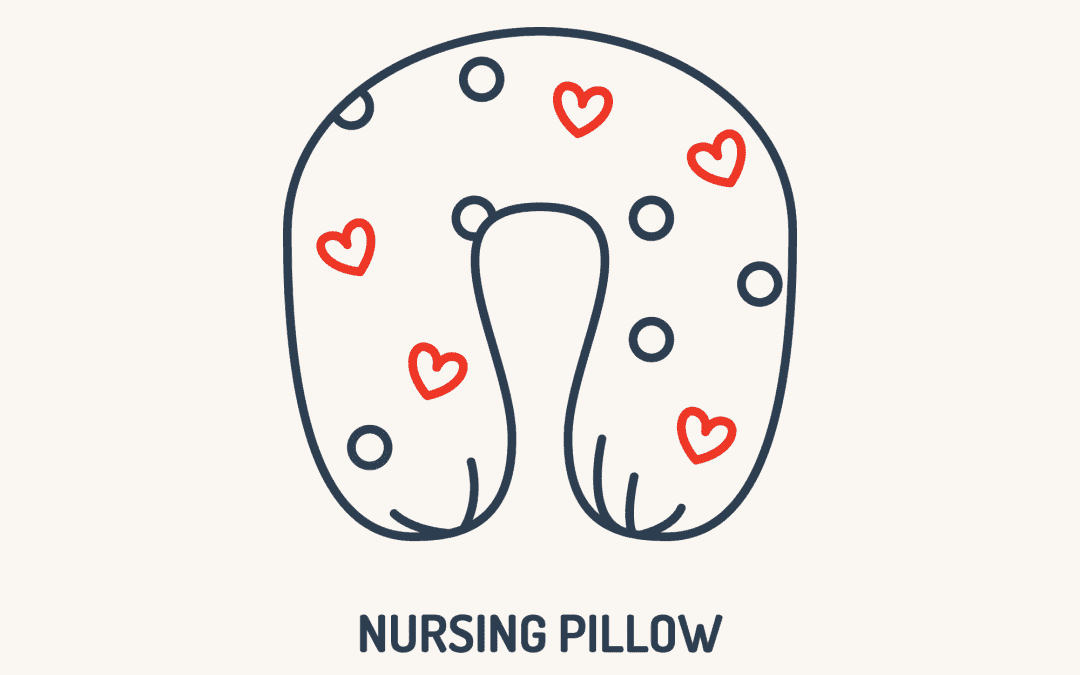
Eight Ways to Use Your Nursing Pillow
Nursing pillows, also known as feeding pillows, can be a new mom’s lifesaver. Though there are different types, nursing pillows usually are U-shaped and are placed around your midsection in order to support your baby during feeding. Though the most common use of the pillow is for support during breastfeeding, you can get plenty of other uses out of your nursing pillow, making it a versatile must-have baby product.
1. Support Your Back During Pregnancy
If you received a nursing pillow as a baby shower gift, you don’t need for your little one to arrive to put it to work. The weight of your growing little one (and belly) can strain your back muscles during the last trimester of pregnancy. Use your nursing pillow for back support by placing backwards, so that it rests on your back rather than your stomach while sitting in your office chair or on the couch. The shape and size of the pillow make it the perfect support for your sore lower back muscles.
2. Bring the Baby to the Perfect Height for Pain-free Breastfeeding
Too many moms experience pain during the early days of breastfeeding. This is normally due to having an improper latch or muscle straining in the neck, back or arms. Your baby needs to be brought up to your chest and close to your breasts in order be able to latch properly.
A nursing pillow can be adjusted with straps or a folded blanket placed under the pillow in order to bring the baby to the perfect height for nursing and tummy-to-tummy contact, which can reduce the strain on your muscles and help you to focus on helping your little one latch properly.
3. Take the Pressure Off of Your C-section Scar During Healing
It’s a great idea to take your nursing pillow to the hospital with you. Not only will it help you while you and your little one are learning how to breastfeed, but it can help protect your sensitive scar if you’ve had a C-section. It will take several weeks for your scar to heal, which can make holding a squirming baby against it during breastfeeding uncomfortable.
Using a nursing pillow can protect your stomach while you heal, making nursing less painful. Place the nursing cover gently against your stomach during nursing. If you do take your nursing pillow to the hospital, consider buying a washable cover for it so you can clean it when you get home to protect your little one from any germs.
4. Bring Relief from Episiotomy Pain
If you had a vaginal birth, you may have experienced vaginal tearing or received an episiotomy. The stitches can make sitting for long periods of time pretty miserable. Sitting on your nursing pillow can relieve the pressure from your stitches while you heal.
5. Support During Bottle Feeding
Bottle feeding can also strain your arms and neck while holding your little one to feed him or her. Laying your baby on the nursing pillow will relieve this pain. If you are returning to work or want to go out for the evening, other family members can also use your nursing pillow to feed your little one a bottle. The routine of using a nursing pillow can help your little one adjust to others feeding him or her.
Pumping will allow you to continue to provide your baby breast milk if you are unable to nurse him or her while you are away. Most insurance companies will provide a breast pump at no cost to you. Contact your insurance company or fill out this form to see which breast pumps are offered through your provider.
6. Help to Relieve Your Baby’s Reflux
Many babies experience reflux or colic, which can cause him or her pain after eating. Acid reflux, also known as gastroesophageal reflux disease (GERD), occurs when the milk your little one drank comes back up his or her esophagus, causing pain, spitting up and vomiting. Propping up your little one on your nursing pillow after eating can help prevent reflux from occurring,
7. Help Prop Your Baby Up During Tummy Time
If your baby dislikes spending time on his or her stomach, they are not alone. Many babies cry during “tummy time,” which can make it miserable for both you and your baby. Spending time each day on their stomach, however, is necessary to help your little one to develop their muscles, strengthen their neck and prevent plagiocephaly, or flat head syndrome, from occurring. This condition may occur if your baby spends too much time on their back.
To use your nursing pillow during tummy time, place your nursing pillow on the ground with a few toys in front of it. Place your baby gently on the pillow on their stomach, with his or her chest resting on the nursing pillow. Stay with your baby to ensure they don’t slip off and can breathe properly during the exercise.
8. Provide Support While Your Little One Learns to Sit
Between four and six months of age, your baby will begin to develop the muscles and strength necessary for him or her to sit up on their own. Your baby will love the new freedoms and views that sitting up will bring. While your little one is learning to sit, a nursing pillow can provide support and prevent them from hitting their head hard on the ground if they should lose their balance. Help your baby to sit up and then place the nursing pillow around their legs to keep them safe while they perfect this new skill.
With so many different uses, your nursing pillow will soon become one of your favorite baby products. Try using it in a new way in order to get the most out of your nursing pillow.