

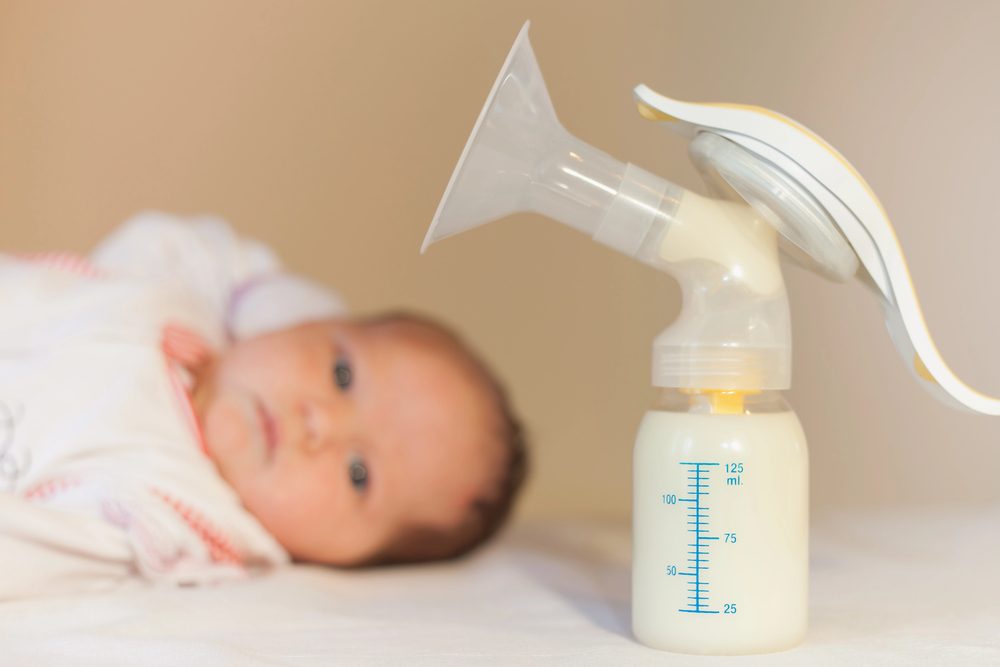
Breastfeeding journeys are as individual as the mothers who live them. One woman will have a seamless latch right away and overflowing supply, while another battles discomfort that makes every pumping session feel like an ordeal. Add a swirl of hormones to all that you’re dealing with, and things can get…complicated. One of the last things you may feel like doing is fighting with the flange sizing on your breast pumps, but it’s a crucial part of the journey. If you choose the wrong size, it might cause pain or prevent you from yielding the supply you need. With the proper size, you’ll feel encouraged, and your pumping experience will be more comfortable and productive.
The Importance of Correct Flange Sizing
Flanges might not seem important, but they make a big difference to your pumping outcome. The flange needs to embrace your nipple closely without squeezing the areola or allowing too much empty room. When it succeeds in this, the suction distributes uniformly and properly rouses your milk ducts. You’ll also typically get more thorough drainage in less time with minimal nipple injury, which lowers your chances of developing mastitis or fissures.
A poor fit triggers a chain of issues. If the flange runs small, it pinches your tissues and causes pain. If it runs large, the nipple can scrape the tunnel interior and invite irritation, swelling, and ineffective suction. Eventually all these difficulties can lead to you production falling short. You may even stop nursing sooner than intended. After all, discomfort is a primary cause of premature breastfeeding termination.
At BreastPumps.com, we offer flanges in a wide variety of sizes because uniformity serves no one.
How Nipple Structure Shapes Your Flange Requirements
Each breast stands apart, unique in its size and shape based on your heredity, hormones, and life phase. Nipple width can actually differ broadly. Some might register eighteen millimeters before suction, while others reach twenty-four millimeters or beyond, and elasticity factors in as well. Under suction, your nipple swells a bit and should occupy eighty to ninety percent of the tunnel without brushing the walls. The areola, the colored zone encircling the nipple, needs to stay largely beyond the flange.
Elements like early-week fullness or body weight changes can also cause a change in fit as the months pass. Prolactin floods after birth frequently cause a brief enlargement that calls for a bigger size at the start, and once your supply steadies, you may need something smaller. Stretchy nipples will tend to elongate more beneath the pull and require a flange that permits motion without allowing for abrasion. Stiffer nipples will need very exact proportions to stop tugging.
Gauging Your Nipple to Find the Best Flange Size for Your Breast Pumps
To get the most accurate measurements, wait until your breasts are not excessively swollen. It’s often best to gauge around mid-morning following nursing or pumping, when the tissue is supple. Find a ruler marked in millimeters or download a guide, and then start by hand-expressing a drop or two of milk or using your pump to mimic suction states. Position yourself before a mirror for the most accurate readings.
Set the ruler at the base of your nipple where it meets the areola. Measure the width of just the nipple itself from edge to edge—don’t count any areola tissue that sticks out. Mark down results for each breast, since differences are likely, and then base your choice on the larger nipple. Be sure to increase your figure by one to two millimeters to allow for swelling.
If you’re caught between options, lean larger so you don’t have issues with constriction. You can evaluate the fit during your next full pumping cycle. During this evaluation, your nipple must sit centered in the tunnel and glide smoothly with each pulse. Only a little areola should enter the tunnel. Once you’ve selected your size, check again every few weeks, particularly if your yield slips or soreness appears.
Signs of Improper Flange Fit
Your body will send clear signals about flange mismatches if you pay attention, and pain is the most important warning. If you feel sharp pain while you’re pumping or a dull ache and tenderness later that won’t go away, you probably have the wrong size flange. Visual clues to look for include seeing red circles on your areola, puffy nipples, or milk that’s stuck in the tunnel because you’ve only partially voided.
Another sign there’s an issue is if your productivity suffers. If you notice that your pumping sessions aren’t returning the same amount even though you’re getting good letdown, or if they last beyond 15 or 20 minutes for both sides, then there’s a good chance you’ve got a sizing error. Sound can also be an indicator. If air is escaping, you might hear a whistling sound. You might also get an erratic pull. And obviously, if you’re seeing any blood, even if it’s just a little, adjust your flange size to avoid further injury. If you’re still having trouble, connect with one of our lactation specialists at Breastpumps.com for expert guidance.
Adapting Flange Size Across Nursing Phases
One of the things new moms might not be aware of is that your demands, especially your flange size, are likely to evolve across nursing phases. During your initial pumping sessions, you may need a really gentle option, but when your volume starts to peak, you may need to enlarge your flange size so that you can keep pumping without pain.
There are sleek flanges available that you can use once you go back to work so you can pump more subtly. Be aware, too, that if you’re pumping right after you’ve been briskly active or are very warm, your breast may have swelled slightly. Monthly hormone changes can also make a difference, but if you keep a log, you’ll be able to anticipate these. Always carry extras in different sizes and keep them in your tote bag so you have options.
Knowing When to Consult Specialists
There’s no shame in getting help, so if you’re having trouble after a couple of tries, it’s time to talk to a lactation specialist. Additionally, nipples that are overly stretchy or particularly stiff and narrow may need some tweaks beyond just a different flange size. A professional can help you make this assessment, as well as rule out if anything could be wrong with the pump or suction force.
Contact us today at Breastpumps.com to see which insurance-covered breastpumps you qualify for, and get the support you need to take charge of your breastfeeding story.