

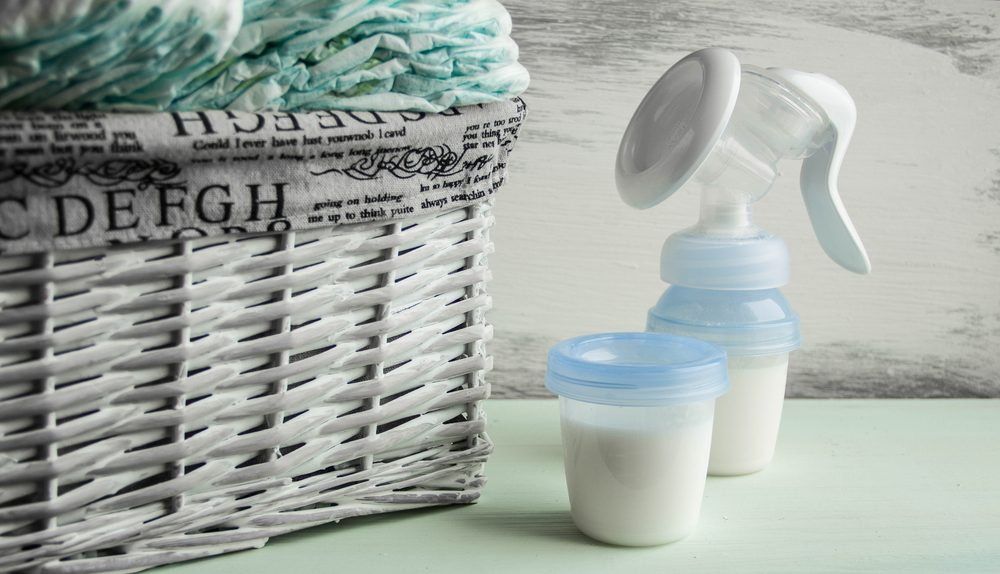
Getting a free pump through insurance is your right under the Affordable Care Act, but like anything related to insurance, it can get complicated and even frustrating. You can really simplify the process by preparing in advance, and successfully getting yours depends on knowing exactly what to have ready and when to act. Or, you can skip a lot of the red tape in the eligibility process when you contact a provider who can deal with the insurance process for you.
Getting Your Insurance Breast Pumps
Get Familiar With the Rules
The Affordable Care Act requires most health plans to include breastfeeding support services and supplies, and that includes a breast pump at no cost to you in the form of copays or deductibles. This applies to both new and expectant mothers, and the pump is considered durable medical equipment.
Check Out Your Specifics
The overall rules are the same, but within those rules, there’s room for plans to vary, and they do. Some will fully cover a standard double electric model, while others allow for upgrades to more portable or hands-free styles if you pay a small difference out of pocket. Medicaid plans in many states follow similar guidelines but may have stricter limits on the type of pump or when you can order it. Private employer plans are usually similar, but self-funded plans sometimes opt out of certain requirements.
Start by pulling out your insurance card and reading through your plan documents. Look specifically for sections on preventive services, maternity benefits, or durable medical equipment, and remember that your breast pump details might be in more than one section. Since many plans post their full policy details online through a member portal, your best bet is often just to log in and search terms like “breast pump” or “breastfeeding equipment” to see exactly what is listed as covered.
Write Down the Important Info
Pay close attention to any notes about quantity limits, though one pump per pregnancy or birth is usually standard, and especially whether accessories like replacement flanges, tubing, or bottles are included. Some plans will cover a one-month or three-month supply of parts at no extra cost, but not all will.
Write down any restrictions you see, like requirements to use in-network suppliers. If you cannot find clear answers, call the number on your card and ask to speak with a representative about breastfeeding equipment benefits. Have a pen and paper ready so you can jot down the representative’s name, the date of the call, and the exact details they provide.
Get Personal Details Ready to Apply
Next, gather every piece of personal information you will likely need. You’ll definitely be required to give your full name, date of birth, mailing address, and phone number, and you might also need your estimated due date or your baby’s actual birth date if you’ve already delivered. Keep your obstetrician’s or midwife’s contact details close because a prescription or letter of medical necessity might also be required.
Create a simple folder on your computer or phone with digital copies of your insurance card, plan summary, and any prenatal records that mention breastfeeding support. Organizing these now means you don’t have to hunt for them later when you’re tired and dealing with all the demands of a newborn.
Talk to Your Healthcare Provider
Talk about your plans during a prenatal visit and explain that you intend to request a breast pump through insurance: ask if they can provide a prescription in advance. Many doctors are familiar with the process and will already know the type of pump that best suits your situation. If you have multiples, a history of low supply, or you plan to pump exclusively, make sure the prescription reflects your actual medical needs.
Time Things Right
Timing matters more than most people realize. Although you can start gathering information at any point during pregnancy, many plans will not begin processing orders until either thirty to sixty days before your due date or after delivery. This means if you contact your insurance or a supplier too early, you might have a long delay or even a denial because the benefit has not yet become active for that pregnancy.
Mark your calendar with your due date and count backward thirty days as a safe window to begin the formal request. If you are already past your due date or have delivered, act as soon as possible so your coverage window doesn’t close. Keep track of your insurance plan’s renewal date as well, because if you roll into a new policy year between the time you start planning and the time you actually give birth, that could change your benefits or require you to re-verify everything.
Take Time to Look at Your Choices
Think about the kind of pump that will actually fit your daily life so you can request the right one. Standard double electric pumps work well for many mothers. They offer strong suction and the ability to pump both sides at once. But if you need to move around the house or will return to work pretty quickly, a battery-powered or rechargeable model gives you more freedom because you won’t be tethered to an outlet. Hands-free or wearable styles can slip inside a bra and let you pump while folding laundry, answering emails, or caring for older children.
Consider how often you expect to pump, how long your sessions typically last, and whether you want app integration for tracking output or automatic settings that adjust suction. Look at the number of flange sizes included and how easy replacement parts will be to get, as well as their expense.
Prepare for the Eligibility Process
Prepare a checklist of questions you will ask when you finally submit your information to a supplier:
- Will they verify your benefits before shipping?
- How long does verification usually take?
- What happens if your plan requires additional documentation?
- Are there any out-of-pocket costs for your preferred model, and how are they calculated?
- Can they request a prescription directly from your doctor if you do not have one?
Write your questions down and keep them with your folder of documents so nothing slips your mind during the call or online form. Once you have everything collected, double-check that your contact information is current in your insurance records. If you have secondary insurance, note those details too, even if you don’t expect them to be primary for this benefit. You want to have info on all your options ready to go.
Avoid Unnecessary Delays
Many mothers run into small snags that could have been avoided by doing a bit of upfront work. For example, having an outdated address on your file can delay shipping, and a missing group number on an order form can cause a long delay because you can’t be verified. Review your plan documents and confirm your details with a representative to reduce the possibility you’ll be frustrated by any of these issues.
Visit us at Breastpumps.com today. Our specialists can handle every piece of paperwork and verification, so you simply select your preferred model, let us know the timing, and then receive your pump at home without all the hassle.