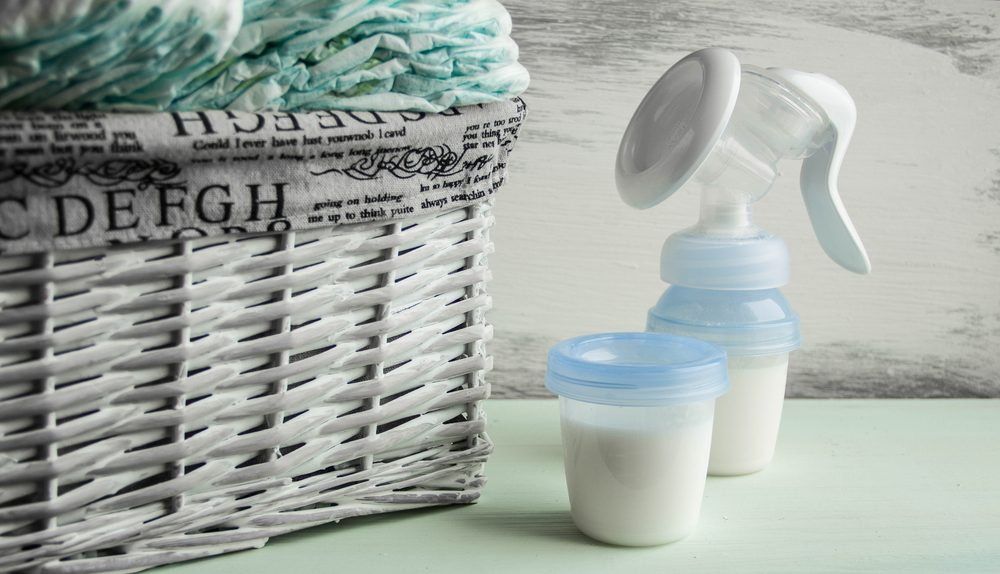
Getting a free pump through insurance is your right under the Affordable Care Act, but like anything related to insurance, it can get complicated and even frustrating. You can really simplify the process by preparing in advance, and successfully getting yours depends on knowing exactly what to have ready and when to act. Or, you can skip a lot of the red tape in the eligibility process when you contact a provider who can deal with the insurance process for you.
Getting Your Insurance Breast Pumps
Get Familiar With the Rules
The Affordable Care Act requires most health plans to include breastfeeding support services and supplies, and that includes a breast pump at no cost to you in the form of copays or deductibles. This applies to both new and expectant mothers, and the pump is considered durable medical equipment.
Check Out Your Specifics
The overall rules are the same, but within those rules, there’s room for plans to vary, and they do. Some will fully cover a standard double electric model, while others allow for upgrades to more portable or hands-free styles if you pay a small difference out of pocket. Medicaid plans in many states follow similar guidelines but may have stricter limits on the type of pump or when you can order it. Private employer plans are usually similar, but self-funded plans sometimes opt out of certain requirements.
Start by pulling out your insurance card and reading through your plan documents. Look specifically for sections on preventive services, maternity benefits, or durable medical equipment, and remember that your breast pump details might be in more than one section. Since many plans post their full policy details online through a member portal, your best bet is often just to log in and search terms like “breast pump” or “breastfeeding equipment” to see exactly what is listed as covered.
Write Down the Important Info
Pay close attention to any notes about quantity limits, though one pump per pregnancy or birth is usually standard, and especially whether accessories like replacement flanges, tubing, or bottles are included. Some plans will cover a one-month or three-month supply of parts at no extra cost, but not all will.
Write down any restrictions you see, like requirements to use in-network suppliers. If you cannot find clear answers, call the number on your card and ask to speak with a representative about breastfeeding equipment benefits. Have a pen and paper ready so you can jot down the representative’s name, the date of the call, and the exact details they provide.
Get Personal Details Ready to Apply
Next, gather every piece of personal information you will likely need. You’ll definitely be required to give your full name, date of birth, mailing address, and phone number, and you might also need your estimated due date or your baby’s actual birth date if you’ve already delivered. Keep your obstetrician’s or midwife’s contact details close because a prescription or letter of medical necessity might also be required.
Create a simple folder on your computer or phone with digital copies of your insurance card, plan summary, and any prenatal records that mention breastfeeding support. Organizing these now means you don’t have to hunt for them later when you’re tired and dealing with all the demands of a newborn.
Talk to Your Healthcare Provider
Talk about your plans during a prenatal visit and explain that you intend to request a breast pump through insurance: ask if they can provide a prescription in advance. Many doctors are familiar with the process and will already know the type of pump that best suits your situation. If you have multiples, a history of low supply, or you plan to pump exclusively, make sure the prescription reflects your actual medical needs.
Time Things Right
Timing matters more than most people realize. Although you can start gathering information at any point during pregnancy, many plans will not begin processing orders until either thirty to sixty days before your due date or after delivery. This means if you contact your insurance or a supplier too early, you might have a long delay or even a denial because the benefit has not yet become active for that pregnancy.
Mark your calendar with your due date and count backward thirty days as a safe window to begin the formal request. If you are already past your due date or have delivered, act as soon as possible so your coverage window doesn’t close. Keep track of your insurance plan’s renewal date as well, because if you roll into a new policy year between the time you start planning and the time you actually give birth, that could change your benefits or require you to re-verify everything.
Take Time to Look at Your Choices
Think about the kind of pump that will actually fit your daily life so you can request the right one. Standard double electric pumps work well for many mothers. They offer strong suction and the ability to pump both sides at once. But if you need to move around the house or will return to work pretty quickly, a battery-powered or rechargeable model gives you more freedom because you won’t be tethered to an outlet. Hands-free or wearable styles can slip inside a bra and let you pump while folding laundry, answering emails, or caring for older children.
Consider how often you expect to pump, how long your sessions typically last, and whether you want app integration for tracking output or automatic settings that adjust suction. Look at the number of flange sizes included and how easy replacement parts will be to get, as well as their expense.
Prepare for the Eligibility Process
Prepare a checklist of questions you will ask when you finally submit your information to a supplier:
Will they verify your benefits before shipping?
How long does verification usually take?
What happens if your plan requires additional documentation?
Are there any out-of-pocket costs for your preferred model, and how are they calculated?
Can they request a prescription directly from your doctor if you do not have one?
Write your questions down and keep them with your folder of documents so nothing slips your mind during the call or online form. Once you have everything collected, double-check that your contact information is current in your insurance records. If you have secondary insurance, note those details too, even if you don’t expect them to be primary for this benefit. You want to have info on all your options ready to go.
Avoid Unnecessary Delays
Many mothers run into small snags that could have been avoided by doing a bit of upfront work. For example, having an outdated address on your file can delay shipping, and a missing group number on an order form can cause a long delay because you can’t be verified. Review your plan documents and confirm your details with a representative to reduce the possibility you’ll be frustrated by any of these issues.
Visit us at Breastpumps.com today. Our specialists can handle every piece of paperwork and verification, so you simply select your preferred model, let us know the timing, and then receive your pump at home without all the hassle.
When you’re figuring out how to maintain your milk supply while balancing all the demands of being a new mom, it can all feel like too much. And when there’s an issue with your supply or pumping, you might need a little help. Lactation specialists are the perfect go-to resource for getting the essential lactation support and pump guidance you need to figure out your equipment, deal with unexpected pumping issues, and make a schedule that matches your body’s needs.
Lactation Support, Pump Selection, and More
Lactation specialists bring a depth of knowledge that goes beyond the helpful, but very general, advice that you can get from other moms. Drawing from both their clinical training and practical experience, specialists know how to give advice that truly addresses the nuances of how your physiology interacts with mechanical devices designed for milk expression. When you talk to a specialist, expect:
Thorough assessment of your individual situation
Detailed info on pump mechanics and your body
Visual demonstrations
Help in crafting your own plan
Tips for troubleshooting your pump (and your supply issues)
Help for transitioning back to work
Advice for choosing pumps
Follow-up sessions and support
Assessing You as an Individual
A specialist’s involvement begins with a thorough assessment of your individual circumstances, including all relevant factors, such as your medical history, the frequency with which you plan to express milk, and any previous experiences you’ve had that might influence your comfort or efficiency. For instance, if you’ve had issues in previous pregnancies with engorgement or inconsistent let-down reflexes, a specialist can use those details to make specific recommendations to help you avoid that issue in the future.
This initial evaluation can often help you notice an aspect of pumping that you might have overlooked, such as how your nipple size and shape have affected flange compatibility, or how your work schedule requires you to get a pump with specific battery life and noise levels.
Learn About Pump Mechanics and Your Body
A specialist can help you grasp how a pump’s mechanics work in relation to your body’s signals. For instance, your specialist can help you figure out how to adjust your suction strength and cycle speeds to mimic your infant’s nursing patterns. That, in turn, stimulates prolactin release and helps you maintain your milk supply without causing undue strain on your breast tissue.
In these conversations, you gain insight into how different pump types will interact and work well (or not) with your lifestyle and how you can use the customizable settings to experiment with patterns that optimize your comfort and reduce the likelihood of nipple trauma or mastitis development from improper use.
Visual Demonstrations
Nothing helps like seeing for yourself, and your specialist may be able to show you a demonstration that will totally transform an abstract concept into a practical skill, like how to assemble and disassemble components. They can also watch your technique and help you correct any subtle errors that might otherwise go unnoticed and which could be needlessly causing you frustration or keeping you from getting the most out of your pump.
Troubleshooting Tips
A lactation specialist can help you troubleshoot both your pump and your own habits to get the results you’re looking for. For instance, when you know the proper areola compression and can adjust accordingly, you can stop the common issue of restricted milk flow that comes when parts don’t quite fit and you’re not emptying.
If you notice a decrease in expressed volume despite your consistent efforts, your specialist can analyze your pumping log and suggest modifications that might help, like breast compressions or changing the timing of your sessions to better match the peak production window of your own body.
They can also help you connect these technical elements to any broader emotional and psychological factors that could be an issue. Anxiety about supply, for instance, can actually inhibit oxytocin release, but if you learn how to engage in deliberate relaxation during your sessions, everything may feel more intuitive and less mechanical.
Transitioning to Work
Transitioning back to your professional obligations will always be a little tough, and a specialist can help you craft the right plan to incorporate pumping into your day without overwhelming your schedule, advise you on how to build up a freezer stash gradually while maintaining direct feeding, and explore options for discreet expression at work.
There are pumps with quiet motors and hands-free features that allow you to multitask, for instance, but it’s important to know how these might function differently from your primary, at-home pump. You can also get some guidance on milk storage and handling so you can get back to life with a schedule that works for you and confidence that your baby will have everything he or she needs.
Advice for Choosing Pumps
When it comes to the actual selection process, lactation specialists can help you practically weigh your preferences against issues like the pump’s efficacy, cost, insurance options, and more. They have a lot of familiarity with all the models that have proven reliable in real-world applications and also know how to warn you off any overhyped products that are all about aesthetics but don’t have the functionality you need. They can explain the differences among portable, battery-operated, stationary, double-electric, and hospital-grade pumps in very practical terms that make sense to your needs.
They’ll also be familiar with the integration of technology in modern pumps and can give you tips on which apps are best while also helping you remember to always listen to your body’s cues no matter what an app might say. And once you have your new pump, your specialist can help you get it into your preferred configuration right away.
Follow-Up Sessions and Support
The whole point of your sessions is empowerment. The goal is to equip you with the knowledge you need to self-assess and adjust independently and take full control of your schedule and life. Your lactation specialist can also help you access community resources like support groups or online forums where you can get insight from your peers to complement the expertise you get from a specialist.
Follow-up sessions with your specialist can also give you ongoing support to review your progress, adjust for baby growth spurts that might temporarily increase demand, or even help with things like addressing seasonal allergies that indirectly affect your supply through dehydration. Ultimately, your lactation specialist is someone on your side, committed to demystifying the technical side of milk expression, and giving you practical and evidence-based tips and information that help you make your equipment work for you instead of the other way around.
Armed with their information and advice, you’ll find yourself better and better able to handle changes, adapt to challenges and keep up your own well-being during one of the most demanding times of life.
Pump Guidance and More
At Breastpumps.com, we’re so much more than breast pumps. We help you buy the pump you need and deal with your insurance for you along the way, but we also have videos, a mommy blog, community forums, and lactation specialists all ready to help you succeed. Visit Breastpumps.com now to learn more and get help.
Has your breast pump stopped working properly? We get how frustrating and upsetting that is. It always happens at the worst possible moment, and figuring out the next steps can feel completely overwhelming, especially when you’re relying on that pump daily and now all your plans are thrown into chaos. We can give you the breast pump support you need and help you figure out your warranty claims.
First Steps When You Notice a Problem
Start by assessing what’s going on with your pump. Many issues aren’t actually a total malfunction but something that a simple fix will take care of.
Power?
Always start by checking if the power source is the culprit. If it’s a corded model, make sure the outlet works by plugging something else into it to check. Look to see that the cord isn’t damaged, either.
Battery?
For battery-operated pumps, replace the batteries or ensure the rechargeable unit is fully charged. Sometimes, a low battery can make the suction feel weak or inconsistent even if you’re not technically being told yet that it’s time to charge.
Connections?
Next, inspect the tubing and connections. Cracks, kinks, or loose fittings can disrupt the vacuum seal and give you poor performance. Gently clean these parts with warm soapy water, rinse them thoroughly, and let them air dry. Avoid boiling or microwaving any of these parts unless the manufacturer specifically recommends it, as that could warp the materials.
Flanges?
Examine the flanges, which are the parts that fit over your breasts. If they’re the wrong size, it might not be a malfunction at all but a fit issue that’s causing you discomfort or low output. Most pumps come with standard flange sizes, but you might need inserts or different ones altogether. Or, you might have simply picked up the wrong size by accident.
Document the Issue
If cleaning and basic checks don’t help, document the problem so you’ll be ready to talk on the phone about it. Write down exactly what is happening and take photos or a short video if possible, as this can be useful later. Keep your original packaging, receipt, and any registration details handy.
Check Out Manufacturer Troubleshooting Help
Troubleshooting resources are often available directly from the maker. For instance, Medela provides detailed guides in their user manuals and online, and they’ll suggest you go through a few steps like resetting the pump by unplugging it for a few minutes. Similarly, Spectra offers a support line where consultants can walk you through diagnostics over the phone.
Common Causes of Malfunctions and How to Troubleshoot Them
Breast pumps are like any machine and can have issues over time. Here are some of the most common:
Weak Suction: Worn-Out Parts
One frequent problem moms face is weakened suction, which is often due to worn-out valves or membranes. These small silicone parts create the pump’s rhythm and typically need to be replaced every few months, depending on how often you use the pump. If you’ve been pumping multiple times a day, check the manufacturer’s guidelines for replacement intervals on your model.
Motor Failure: Isolate the Issue
Another issue could be motor failure, where the pump turns on but doesn’t cycle properly. This might happen because of overuse, exposure to moisture, or a manufacturing defect. But before assuming it’s broken, try running the pump without the collection kit attached to isolate if the problem is in the motor or the accessories. If the motor hums normally on its own, the issue might be in the tubing or flanges.
No Charge: Battery Issues
For wearable pumps, battery life and charging ports are common trouble spots. If your pump isn’t holding a charge, test it with a different cable or charger to make sure it’s not the accessory that has the fault.
Accessing Breast Pump Support
When home troubleshooting doesn’t cut it, reaching out for help is your next move. Start with the company where you got your pump, which you can do via our team at Breastpumps.com. Our support team is equipped to handle questions about the models we provide, and we can connect you with lactation specialists who understand not just the tech but how it fits into your routine.
If the issue persists, we’ll guide you to contact the manufacturer directly. Each brand has its own support channels, but always be prepared to provide your pump’s model number, serial number, and purchase date. These are usually on the bottom of the unit or in your order confirmation.
Your Support Call
During the call, describe the problem clearly and mention what you’ve already tried. Support reps might ask you to perform additional tests, like checking for blockages in the system or verifying the pump’s settings. If they determine it’s a malfunction, they’ll guide you toward the next steps, which could include sending in the pump for inspection or just issuing you a replacement if it’s under warranty.
Filing Warranty Claims
Once you’ve confirmed the malfunction isn’t fixable through troubleshooting, it’s time to proceed with a claim. Most breast pumps come with a manufacturer’s warranty, and you’ll usually have coverage for one to two years from the purchase or shipment date, though this varies by brand. Accessories like flanges or valves usually have shorter coverage of around 90 days.
To start, you’ll need proof of purchase. For pumps sourced from us at Breastpumps.com, your order details can serve this purpose. Fill out the brand’s warranty form, and be honest and detailed in your description. Include the symptoms you’re seeing, all the troubleshooting attempts you’ve made, and any supporting media you have. If your pump is still under warranty, the manufacturer should repair or replace it at no cost, though you might cover shipping.
How Long Will It Take?
Processing times vary, so expect anywhere from a few days to weeks. In the meantime, ask about loaner pumps. Some companies or suppliers offer them to keep you going. If the claim is approved, you’ll receive instructions on returning the faulty unit. Be sure to pack it securely and follow all the guidelines they give for packaging to avoid any further damage to the pump.
When Does a Warranty Not Apply?
Warranties don’t cover problems that arise from misusing or accidentally damaging the pump. If you drop it, don’t clean it properly, or don’t replace the parts at the recommended intervals, your warranty will likely be voided.
Preventing Future Malfunctions
The best way to avoid issues is to maintain your pump properly. Clean it after each use, store it in a dry place, and follow the usage limits. Replace any wear parts on schedule, and register your pump upon receipt to fully activate the warranty.
If you’re pumping often or are totally dependent on your pump, consider getting an inexpensive backup manual pump just to have for emergencies. Also consider getting backup accessories so you can quickly get back to pumping if a faulty accessory is all it is.
When you order a breast pump, you almost always receive a manufacturer’s warranty, along with access to helpful support services that can resolve issues quickly and keep your pumping routine on track. The warranty information on breast pumps isn’t always intuitive to understand, however. Here’s a rundown of some of the more common concepts and what kind of support you can expect.
How to Understand Warranty Information & Services With Breast Pumps
General Information
Most breast pumps come with a warranty that protects you against manufacturing defects in the main components. The manufacturer will typically repair or replace the pump at no cost to you if the motor, wiring, or other essential parts fail, but only if they fail because of a factory issue. They won’t replace these things if they are damaged in everyday use or in an accident.
How long your pump is covered depends on the brand. The Unimom Opera includes a full three-year warranty on the pump itself, while Spectra models usually carry a two-year warranty on the motor with a shorter three-month warranty for accessories. Pumpables typically offers two years on the motor and ninety days on parts and cups. These terms will appear in the product descriptions when you buy and in more detail in the manual that ships with your pump.
Things That Aren’t Covered
Certain parts and certain situations aren’t covered under most standard warranties. Manufacturers typically classify flanges, valves, membranes, tubing, and collection bottles as consumable items, which means they’re expected to wear out naturally with regular use and cleaning. Since this is expected, it’s not covered: your coverage is only for defects. This means, for example, that if a valve splits or a membrane becomes stretched after weeks of daily pumping, you are expected to replace it yourself.
Accidental damage also falls outside the warranty. Dropping the pump, getting it excessively wet beyond what would be normal for cleaning, or using any non-approved accessories can all void the warranty entirely. The warranty is also voided if you use the pump in a way that’s not recommended, such as by running it without all parts assembled or with incompatible tubing. The best defense against having your warranty voided is reading the warranty section in your manual carefully so you understand all limits upfront.
Where You’ll Find the Terms
When your package arrives, open the box and look inside for the user manual or any separate warranty card. These documents will spell out the coverage period, what qualifies for coverage, what isn’t covered, and the steps you’ll have to go through if you need to file a claim. If you misplace your receipt, contact us at Breastpumps.com directly. Our team keeps records of every order and can email you a copy of your proof of purchase, which most manufacturers will require before they process anything.
You can also visit the manufacturer’s website and enter your pump’s model number or serial number to pull up the details of the warranty online. Saving the original box for the first several months is often wise because some brands ask for the serial number that’s printed on it.
Troubleshooting Issues With Your Pump
When your pump stops working correctly, think through and then take the following series of actions. These will help you identify the cause without putting any unnecessary stress on you, and if you have to call support, you’ll be able to walk them quickly through what you’ve already done.
Start by confirming that the power source is functioning properly and that the pump is fully charged (if it has a battery). If that’s all good, then inspect and replace any soft parts that are showing signs of wear, such as sticky valves or torn membranes. Sometimes this simple step restores normal suction immediately. If the problem continues, test some things by switching parts between the sides to see whether the issue follows a specific component.
Once you’ve done these steps, reach out to the manufacturer’s customer service line listed in your manual. Their representatives will usually then walk you through a few additional checks to check for some common issues they know of with their specific model, and often they can help you fix the issue or properly diagnose the trouble. If they confirm it sounds like there’s a warrantied defect, they’ll arrange for a repair or replacement.
At Breastpumps.com
We don’t issue the warranties, but our team plays a valuable supporting role for you. You can call them at 1-888-495-7491, use live chat on the website, or email referrals@breastpumps.com for help with your order. We can send you copies of receipts and direct you to the correct manufacturer contact. We can also answer questions about whether your insurance might help with replacement parts.
Also, many moms have original insurance benefits that include one or two sets of replacement parts during the first year. We can usually help you in accessing this coverage. You simply provide your insurance details, and we’ll check eligibility and handle much of the paperwork.
Avoiding Issues With Your Pump
Here’s a few simple, daily habits that’ll keep your pump running smoothly and protect your warranty:
Replace duckbill valves and membranes every one to three months or as soon as they start to feel sticky or lose their seal
Clean only the parts the manufacturer recommends for washing: never submerge electrical components
Store the pump in a dry, dust-free place when you finish each session
Always use genuine manufacturer-approved accessories (third-party substitutes can damage the motor and void coverage)
Filing Your Claim
If you do have issues and need to make a claim against your warranty, there’s a pretty predictable path you can follow. First, contact the manufacturer and describe the symptoms in detail, as covered above. Most will require that you go through this step before they’ll actually want you to return a pump. If that doesn’t fix it, they’ll typically ask you to provide the model number, serial number, and date of purchase. If they approve the claim, they’ll then supply you with specific return instructions and a shipping label, in most cases, though in some cases they may simply send you a replacement pump.
Whether you’re getting the pump fixed or replaced, you’ll eventually send the defective pump back, and they’ll ship the replacement or fixed pump back to you at no charge. The entire process rarely takes more than a week or two, though a lot depends on how fast the shipping happens. You can also always visit Breastpumps.com and talk to us about the process if you have questions or concerns.
Taking time to learn your pump’s warranty coverage and the support that’s available from the manufacturer (and available through us at Breastpumps.com!) takes away a lot of the uncertainty that can arise when equipment acts up. We know that new moms have enough on their plate, and we’re ready to help you move forward with as little stress and as few delays as possible. Reach out to us at Breastpumps.com any time you have a question. Our goal is to make the process of getting a pump and keeping it in good shape as simple as possible for Mom.
New mothers frequently are often looking for help, and thankfully, these days there’s lots of support available from various community resources. These groups, hotlines, and online hubs deliver practical ideas but also emotional encouragement and reliable information that’s tried and tested by other moms. Breastfeeding support is just a few clicks away!
What Are the Benefits of Joining a Breastfeeding Support Group?
All kinds of issues can throw themselves at you as a new mom. Your newborn may take time to latch properly, cluster feeds can exhaust you, or you might be wondering whether the baby is getting enough milk. Without someone to ask, it’s easy to doubt yourself and get consumed by worry, and that’s not the best thing for a new mom dealing with hormonal swings as a natural aftermath of childbirth. Mothers who connect with others early, though, can benefit from shared experiences and concerns. Here’s some ways community resources help:
You Stop Feeling So Alone
One of the biggest changes you notice early on is that the feeling of isolation starts to lift. In those first weeks, you’re often at home feeding around the clock while everyone else sleeps or goes about their day. It’s easy to think you’re the only one dealing with cluster feeding or a baby who fusses at the breast, but when you join an online group or read through shared stories on a dedicated site, you realize almost every mom hits these same bumps.
You might come across a post from another mom describing how she worried about her supply during a growth spurt and dozens of replies assuring her it passes in a few days. Or, you could see someone share about leaking through shirts or dealing with engorgement and think, “That’s me right now.” Reading those experiences makes you feel seen. You don’t have to explain why you’re exhausted or why a bad latch brought you to tears because everyone on the forum just gets it.
This connection can really help you push through tough days because you know you’re not failing. Many moms say that simply knowing others have been there keeps them from giving up sooner than they wanted.
You Pick Up Tips That Make Daily Life Easier
You don’t have to figure out every challenge through trial and error. Reliable community spaces are where moms share straightforward advice that comes from both experts and moms who’ve tried it all. For instance, you might learn a new way to hold your baby that helps with a shallow latch or find out about using warm compresses before feeding to ease your discomfort.
If you’re dealing with oversupply or forceful letdown, you can read suggestions for feeding positions that slow the flow so your baby doesn’t choke or pull off crying. Moms often share how they handle plugged ducts with gentle massage or lecithin supplements, for instance.
You can also get ideas for building a better routine. There are lots of moms on the forums, in lots of situations: some just like yours. They’ll have tips for how to watch for hunger cues early, keep a simple log of wet diapers and feed times to reassure yourself about intake, and other ideas that work for you.
You Can Get Professional Breastfeeding Support
Sometimes you need more than peer advice. You want guidance from someone trained in lactation. At Breastpumpscom, we not only have a supportive community of new moms but also access to certified lactation consultants. You can describe what’s happening and get specific feedback that’s responding to your specific needs and concerns. This kind of targeted help saves you from guessing or trying things that don’t fit your situation.
You might also find explanations about medications or health conditions that affect you and your baby. If you’re on antibiotics or have thyroid issues, for instance, a quick check with an expert might help you if you’re concerned about safety. For moms with premature babies or multiples, specialists can help you come up with plans that account for these unique needs.
You Learn How to Choose the Right Breast Pump for You
Pumping could become part of your routine for many reasons, like going back to work, sharing nighttime feeds with your partner, or building up a stash. But choosing pumps isn’t always easy. What works with your insurance but has the suction strength, battery life, size, or features you need? Other moms can help you understand what you need.
If you want something discreet for work or errands, you can ask others about the wearable pumps that fit inside your bra and learn which ones stay secure during movement or hold enough milk for longer sessions. Guides, of course, will explain how to assemble parts correctly, adjust settings for comfort, and avoid common mistakes that reduce output, but nothing is as helpful as actually talking to someone who has used a pump.
You Can Prepare for Going Back to Work Without Losing Your Supply
Returning to work while still nursing is doable, but it takes some prep. Through access to communities of breastfeeding moms, you’ll get realistic schedules from moms who’ve done it, and they’ll share how their output adjusted over time and what they did if it dipped at first. You might also get practical advice about storage, labeling, transport, and other highly practical issues.
You’ll Find Help for Your Unique Situations
Every family is different. If you’re nursing twins, talking with a wide community of moms means you’ll likely find someone else facing that same issue who can give you tips for tandem feeding positions or alternating feeds. Moms of preemies might find advice on fortifying milk or pumping schedules for NICU stays. If you’re inducing lactation, other moms may have some proven, step-by-step protocols to guide you through how they used herbs, pumping routines, or medications and the success they had (or didn’t have!).
Mental health doesn’t get ignored, either. Other moms know what you’re going through, and they can tell you what to watch out for. You’ll learn to notice signs of postpartum mood changes and get links to additional help. Plus, you’ll have someone right there to confirm that you’re not “going crazy.” Tough feelings are real, but they also often have an explanation and are something that lots of moms go thought. Knowing what’s happening and the options for help that other moms have found can be the support you need in the hard times.
You Build Confidence That Lasts Beyond Breastfeeding
As weeks turn into months, all this support and your own experience add up. You trust your body more, you feel confident with your child, and you’re ready to give advice to other, newer moms in turn.
This confidence also spills over into your other parenting decisions, and you might also find you’re better able to advocate for yourself at doctor visits or set boundaries with family. Many moms keep participating in these groups for the long term, answering questions for newcomers and paying forward the help they received.
Whether you’re just starting or hitting a rough spot, take a moment to explore a trusted online hub or hotline. Visit our Resources section at Breastpumps.com now and connect with a lactation specialist, watch helpful videos, and talk with other moms on our forums.
Need help? Give us a call at 888-495-7491 Monday - Friday, 8:30 a.m. - 5:30 p.m. and Saturday/Sunday 9:00 a.m. -- 5 p.m.
Translate »
Manage your privacy
To provide the best experiences, we use technologies like cookies to store and/or access device information. Consenting to these technologies will allow us to process data such as browsing behavior or unique IDs on this site. Not consenting or withdrawing consent, may adversely affect certain features and functions.
Functional
Always active
The technical storage or access is strictly necessary for the legitimate purpose of enabling the use of a specific service explicitly requested by the subscriber or user, or for the sole purpose of carrying out the transmission of a communication over an electronic communications network.
Preferences
The technical storage or access is necessary for the legitimate purpose of storing preferences that are not requested by the subscriber or user.
Statistics
The technical storage or access that is used exclusively for statistical purposes.The technical storage or access that is used exclusively for anonymous statistical purposes. Without a subpoena, voluntary compliance on the part of your Internet Service Provider, or additional records from a third party, information stored or retrieved for this purpose alone cannot usually be used to identify you.
Marketing
The technical storage or access is required to create user profiles to send advertising, or to track the user on a website or across several websites for similar marketing purposes.