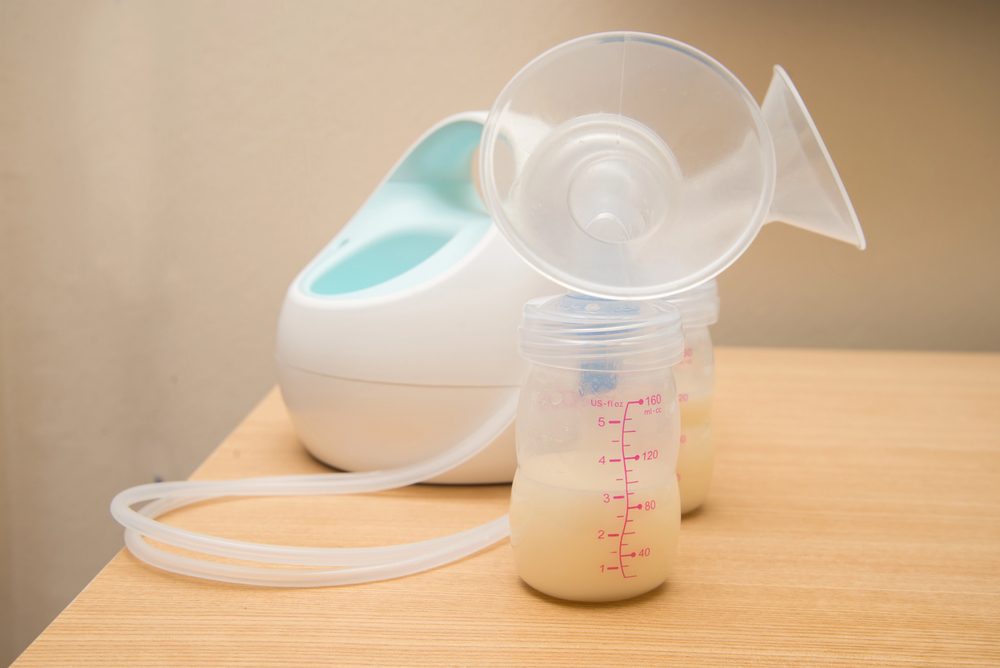
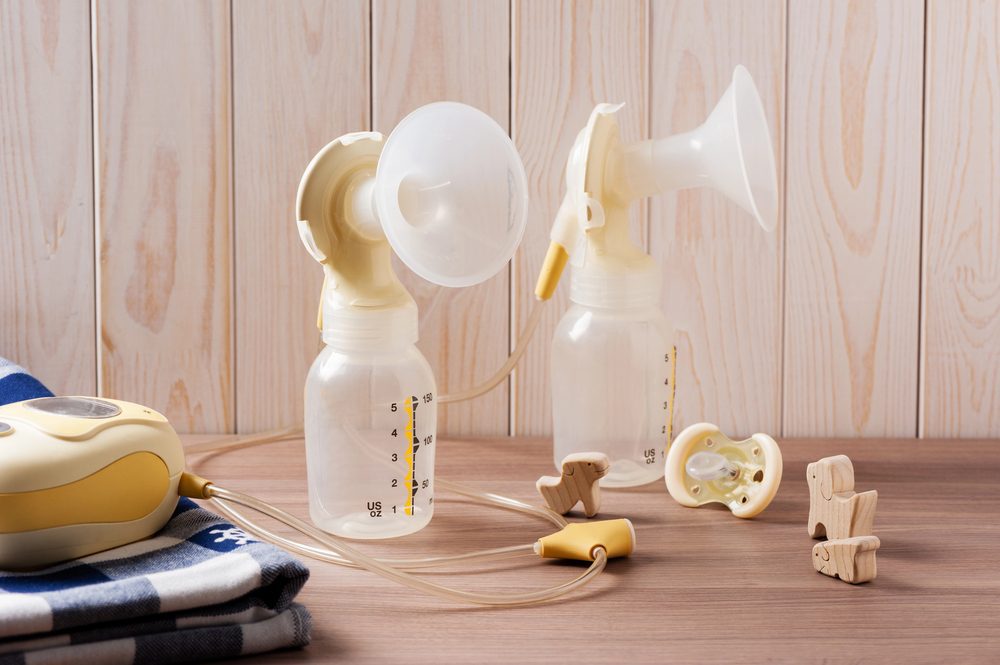
As a nursing mom, you already juggle enough, so pumping shouldn’t add to the stress. With a setup that fits seamlessly into your daily rhythm, you can make each session feel effortless. One smart way to facilitate that is creating a storage-organization system for your breast pump accessories and replacement parts, so everything is exactly where you need it.
Why Proper Storage Transforms Your Daily Routine
Make Life Easier
Free time is scarce for new moms, so when you finally have a moment to pump, it’s much easier to strike while the iron is hot if you know exactly where all your pieces are. There’s no mad scramble through drawers or the pang of discovering a forgotten valve tucked in a bag from weeks ago.
Enhance Safety
Properly storing your breast pump parts after a session or a cleaning can help improve the longevity of your components. Damp parts left in a sink invite bacterial growth, while tangled tubing can crack and disrupt suction. Following sound storage practices can prevent potential damage and save you money in the long run.
Clear Your Mind
A well-organized setup provides mental clarity. There’s nothing worse than being sleep deprived after a night of late feedings, and you open your cabinet door to breast pump parts tumbling out of it. Organizing the chaos will help you keep a clear mind when you’re running on empty and tending to your little one.
1. Selecting Containers That Fit Your Space
Start by choosing transparent, compact containers so you can see what you need at a glance and grab it easily. Clear bins with secure lids keep everything visible while protecting your parts from dust. For safety, opt for BPA-free plastic or food-grade silicone organizers. Stackable containers and tray dividers can also help you stay organized while maximizing your space.
2. Organizing Breast Pump Accessories and Replacement Parts
The placement of your parts should be arranged based on how frequently you use them. Place your everyday-use items front and center. That way, you can grab them without fumbling through a sea of different pump pieces and assemble them even with your eyes half-closed.
For the pieces you swap less often, like backup flanges or extra tubing, carve out a secondary zone that’s out of the way but easy to access during those inevitable “oh no” moments.
Layer in seasonality if your climate or routine is likely to shift. In humid summers, you might elevate the moisture-prone items to a drier spot, while in winter you might need insulated pouches to keep the cold from stiffening up any silicone components.
3. Labeling and Tracking for Easy Navigation
A simple marker and tape are all you need to level up your storage system. Label parts with dates if they tend to have a shorter shelf life, like the date of installation for valves or the suggested replacement date for tubing, so you can track things without all the guesswork. Once you’ve written all these things down, you don’t have to keep space in your brain for remembering it all.
Extend this practice to keeping a quick log, which can be a notebook by your pump or an app on your phone, where you jot notes about replacements and needs. “New membrane boosted output—keep this brand,” for instance. This will also build your knowledge base so you can tweak your setup for optimal output.
Embrace color-coding if visuals are your thing. Try blue for daily use and red for backups so you can just do a quick scan and grab what you need. This also comes in handy when a babysitter or house cleaner stops by, making it easy for them to learn your system and find their way around the kitchen. Over time, refine the system and discard what no longer serves.
4. Keeping Cleanliness at the Heart of Your Storage
After each use, clean and air-dry everything thoroughly before nestling things away. Keep a dedicated rack that lets the breeze work its magic. Your storage spot will thus stay dry and mold-free.
Incorporate routine soaks with a vinegar solution for an extra barrier against buildup, and then rinse and dry the pieces thoroughly before storing them away. For spares, consider vacuum-sealing them to lock out air and microbes so you can have confidence that they’re ready to go without needing to clean them again before use.
5. Choosing Portable Solutions for On-the-Go Pumping
If you’re traveling or out-and-about and need your pump to tag along, you want to ensure all the parts are easy to access. Ideally, you need a setup where you can simply grab-and-go whenever you want to leave the house.
Insulated totes with padded dividers are the perfect solution. They cushion valves during transport while keeping temperatures in the safe-zone for milk storage. Zip in a travel kit of essentials that is clearly labeled for airport scans or quick bag changes. While it might seem like a lot of prep work, it lets you nurse on your terms without tethering you to home.
When everything you need for your pumping is organized and clear, it helps you reach and sustain your pumping goals. For help in finding the right pumps and accessories for your journey, visit us today at Breastpumps.com.
New mothers have to balance breastfeeding with the demands of daily life, and wearable breast pumps are a great way to achieve the balance you need. These compact devices fit discreetly inside a bra, allow hands-free operation, and enable women to express milk while they move through daily routines. The Affordable Care Act requires most health insurance plans to cover these, but the path to obtaining the right one for you can be tough. Trusted suppliers like BreastPumps.com can streamline every aspect of the process.
How to Order an Insurance-Covered Wearable Breast Pump
Wearable breast pumps nestle against the breast and are powered by rechargeable batteries that support on-the-go use. Manufacturers craft them with soft silicone cups that mimic the natural shape of the breast so mom can have comfort, and the quiet motors operate below noticeable levels to preserve privacy.
We specialize in curating collections of breast pumps that highlight the best and most important features, which are backed by years of serving thousands of families. The pumps we offer also meet all standards for safety and efficacy. As advocates for nursing mothers, we want to go beyond simple sales to educate you on proper fit and usage.
Insurance Coverage Under the ACA
The Affordable Care Act mandates that non-grandfathered health plans must cover breastfeeding support, including breast pumps, as a preventive service, and this coverage must come without copays or deductibles. This provision has been effective since 2010, and it applies to one pump per birth along with whatever necessary supplies are required. Insurance plans must provide either a rental or a personal-use model, with a preference for double electric options.
Wearable pumps only qualify when they meet “medical necessity criteria,” however, and this is often determined by your insurer’s network of approved durable medical equipment suppliers and by your doctor’s view about what’s best for you and your baby. Eligibility will depend on your plan type and the timing of the request (which should ideally be 30 days before or after delivery). It’s very important to verify the specifics of your plan by contacting your provider. At BreastPumps.com, we’re a vetted supplier partnering with over 20 major insurers. That means we’re able to confirm your benefits quickly, as our system can cross-reference a policy to reveal exactly what you’re entitled to.
Step-by-Step Guide to Ordering
The process should begin with a simple eligibility check. You can see if you qualify by simply inputting your insurance details and location into our online form. This step will uncover what your plan allows, and once you’re verified, allow you to advance to selection where you can browse options tailored to your lifestyle.
From there, you will be able to complete the order submission. We handle all paperwork to prevent any unnecessary bureaucratic delays, and delivery follows within days. Everything is shipped directly to your home in discreet packaging that safeguards your privacy. Upon arrival, we recommend you unpack the pump and check that you’ve got all the included supplies, like bottles and flanges, so you’re ready to integrate it into your routine. However, be aware that your pump is a medical device and cannot be returned once the seal on the package has been broken. It is recommend that you consult with your in-patient lactation consultant to ensure you select the appropriate pump for your needs.
At BreastPumps.com, our team knows about all the hurdles that could potentially arise, such as mismatched insurer lists, and we resolve them proactively. Our goal is to turn what could be a mundane paperwork task into a seamless transaction for new moms that are running on limited energy.
How We Simplify the Process
We transform the intricate insurance process into a straightforward path. No more making calls and filling out various forms to get the ball rolling. We’ll submit the claims and coordinate with insurers on your behalf.
Our inventory includes the top wearables on the market. You might look at the Willow Go for its spill-proof design, the Zomee Fit for quiet efficiency, or the Ardo Melia for ergonomic comfort. If your preferred model requires you to pay a fee, you’ll find transparent pricing at checkout with various payment options that we offer. Our delivery service is nationwide and comes complete with free accessories.
What truly sets us apart is our advocacy role. We maintain a mommy blog that’s brimming with lactation tips, and warranty management falls under our purview too. We can arrange for prompt replacements that keep you pumping without pause.
Choosing the Right Wearable Pump
Think through your daily needs when selecting a wearable breast pump. How frequently will you need to pump? What’s your activity level? Compact models are often the best for discreet office use, while the Motif Aura Glow appeals to those who need to do night pumping that won’t wake up a partner. Hospital-grade options, such as the Eufy S1 Pro, deliver strong suction for exclusive pumpers.
For wearable breast pumps, comfort and convenience make all the difference. Look for features like long battery life and easy-to-clean parts. They’ll go a long way toward keeping you satisfied in the long run. Silicone cups can help prevent leaks, while adjustable flanges reduce discomfort, especially if you’ll be pumping frequently. Whatever your preferences are, you’ll find detailed breakdowns and product features on our website to help you make an informed choice. In the end, the best pump is the one that feels natural, fits your routine, and gives you confidence every time you use it.
Tips for Successful Pumping with Wearables
Proper alignment, where the flange centers over the nipple to avoid friction and maximize flow, is the most important issue with a pump. Most mothers find that a gentle massage beforehand will trigger letdown, while warm compresses can relax the tissues for smoother expression. A supportive bra with clasps can secure the device in such a way that you don’t have any shifts that disrupt rhythm, especially full-coverage styles.
Consistency matters quite a lot when you’re pumping. If you have sessions every two to three hours, you’ll mimic natural nursing patterns, and this is a great way to keep up your production. Some pumps even feature an app where you can track your progress and uncover helpful insights such as your optimal suction levels, when you might need to hydrate, and other habits that can affect your output. Additionally, developing a cleaning routine after each use can help you stick to a schedule so you have clean, dry parts readily available when it’s time for your next session.
If your yield still seems low, you might find that a position change or deeper breathing can help you relax. Studies have found that stress subtly hampers expression, so not all challenges you face may be physical.
Ready to Check Out the Best Breast Pumps for You?
Getting an insurance-covered wearable breast pump makes motherhood easier, and every mom should have the support she needs to live her life while providing for her baby. At BreastPumps.com, our streamlined services and resources are designed to ensure that mothers can focus on what matters most: connection and care.
If you’re shopping for the right breast pump for your budget and lifestyle and are overwhelmed by all the options, you’re not alone. Whether you’re a first-time mom or a seasoned mom who needs a replacement pump, there are plenty of double electric breast pumps on the market that you can choose from. Before you buy, knowing what features to look will help you make the best choice for your lifestyle, budget, and needs.
What Features to Look for When Shopping for Double Electric Breast Pumps
A Portable Pump
If you plan on pumping outside the home, whether at work or anywhere else on-the-go, portability will be an important feature to look for. Portable breast pumps either come with a rechargeable battery or are battery-operated.
These double electric breast pumps are easy to transport and don’t require a power cord to operate. If you’re looking for a breast pump that you can take on the go, a portable one will make life easier and more convenient.
Versatile Flange Range
A breast pump flange, also known as a breast shield, is the piece that you situate over your breasts to create a vacuum seal to ensure efficient and effective pumping. Most double electric breast pumps come with various-sized flanges to accommodate different women. Measuring your nipples prior to purchasing a pump can help you determine your size so that you can choose your breast pump accordingly.
Flange sizes range from 10 mm to 40 mm, and the average size included with most breast pumps is 24 mm. Many manufacturers offer additional accessories and flanges for those who need an alternative option not provided with the pump.
A Carrying Case
Carrying cases make transporting your breast pump more discreet and convenient. However, whether a breast pump comes with a carrying case shouldn’t be a dealbreaker. If you find a pump that you love that doesn’t have a carrying case, you can easily transport it in a diaper bag or purchase a tote bag specifically designated for your pump.
Some pumps have units that are built into the carrying case for easy transport, like the Medela Pump In Style Advanced models. Others come with a bag designated for transporting the pump.
A Cooler
Select breast pumps come with coolers specifically designated for storing breastmilk. Coolers are valuable for women who need to store breastmilk during the day after pumping at work or anywhere else outside the home. They’re ideal for working mothers who want a discreet solution for storing breastmilk and don’t want to rely on the break room refrigerator. They also provide a convenient way to store breastmilk when pumping on road trips.
These coolers typically come with custom ice packs, and are small, compact, and can store several bottles of breastmilk at a time. If you find a breast pump that doesn’t come with a cooler, you can buy one separately that will work best for your needs.
A Letdown Feature
Many breast pumps have a letdown phase setting, which is a feature that helps promote optimal milk supply while pumping. Most pumps that have this feature allow for a two-minute interval that can be bypassed as needed. The setting helps mimic natural breastfeeding to ensure optimal comfort and adequate milk production.
A Hospital-Grade Rating
For some women, having a pump with a hospital-grade filter is necessary for multiple reasons. Hospital-grade breast pumps have closed systems that ensure milk and any other fluids will never enter the motor. They’re resilient, have a quiet motor, are built to last, and can accommodate frequent use and multiple users. They also have an array of settings to accommodate each woman’s pumping needs and preferences.
These pumps have a high pumping strength and are ideal for women with NICU or premature babies, women with low milk supply, women whose babies are sick or have difficulty latching, and those with any medical condition that prevents them from breastfeeding.
Total Pump Strength
Another feature to look for when choosing a breast pump is the suction strength. Pumps are rated according to their vacuum strength, which is how strongly the pump holds on to breasts while pumping.
However, high strength doesn’t always equate to more milk supply. Increasing the vacuum strength too high can cause discomfort and pain while pumping. Pumps typically range from 200 to 300 mmHg of suction, and the ideal suction strength will all depend on your needs and preferences.
A Quiet Motor
Some breast pumps, like the Elvie Pump, have a quiet motor that ensures optimal discretion when pumping. If you plan to pump in public places or at night while others are sleeping, having a quiet motor is a feature you’ll want to look for. It offers a more discreet experience without sacrificing performance.
Smart Features
Some breast pumps are equipped with smart features that enable users to track pumping sessions through the manufacturer’s app. For example, the Ardo Alyssa Hands-Free connects to the MyArdo app, where you can track your pumping sessions and your baby’s growth. You’ll also have access to personalized content and can utilize resources on the app.
Having a smart pump isn’t a necessity, but for some women, it will prove beneficial. The Elvie is another popular breast pump that’s controlled by an app. The app has an automated milk tracking system and offers smart pumping rhythms to ensure optimal milk extraction. If you think you’ll benefit from smart features and would like to track your pumping sessions, finding a smart pump will be a good option.
Extra Accessories
Aside from carrying cases and coolers, you may want to find a pump with extra accessories like bottle nipples and extra parts for convenience purposes. As you search for the right breast pump, read through the list of what’s included in the box so that you know exactly what you’re getting and can purchase additional items if needed.
A Manufacturer’s Warranty
Electric breast pumps aren’t inexpensive, which is why purchasing a breast pump with a warranty is the easiest way to protect your investment. Most breast manufacturers provide a one to two-year warranty that covers defective parts or pump malfunctions.
These warranties typically won’t cover accidental damage or issues that result from normal wear and tear. Keep in mind that purchasing your pump well before you need it will shorten your warranty, so once you find the right pump, remember that your warranty begins as soon as you purchase it.
If you’re shopping for a breast pump that’s right for your lifestyle, budget, and needs, we can help. We carry the most popular pumps and accessories and have the resources you need to help you make the right decision.
Whether you’re an expecting mother, a working mother, or a stay-at-home mother, it’s important that you have the right hands-free breast pump to accommodate your active lifestyle. Because there are so many hands-free pumps available, choosing the right one can feel overwhelming. However, once you know what to look for, you can narrow down the options and make the best decision for your needs.
How to Choose the Best Option Among the Hands-Free Breast Pumps Available for Active Moms
Check If the Breast Pump Comes With a Warranty
Hands-free breast pumps are an investment, especially if your insurance company doesn’t provide you with one at no cost. For that reason, it’s recommended to find a breast pump that comes with a warranty.
The best breast pumps will come with a manufacturer’s warranty that ranges anywhere from one to three years on parts and the pump itself. If something goes wrong with the breast pump within the first few years of owning it, the manufacturer will cover the cost of replacement or provide you with replacement parts, so you won’t be left without a working pump for long.
Determine How Often You’ll Use Your Breast Pump
As a new mother, it may be hard to determine when and how often you plan to pump, especially if you don’t know how breastfeeding will go for you. There are so many unknowns with breastfeeding when you’ve never experienced it before.
If you end up facing challenges after giving birth or while breastfeeding that require more supplemental pumping than you expected, having a high-quality pump ready will make all the difference, whether you use it frequently or infrequently.
Explore Your Options
One of the benefits of advancements in hands-free breast pumps is that there are now options designed to accommodate different types of active mothers. The goal of a breast pump is to make feeding your baby easier and support your active lifestyle.
Hands-free pumps are convenient regardless of whether you work in or outside the home, but finding the best breast pump ultimately comes down to choosing one that will meet your needs and accommodate your lifestyle postpartum. That’s why reading more about the options and their features is key.
Available Accessories and Features
Many of the pumps designed for frequent use are ideal for active mothers because they have Wi-Fi connectivity and come with tote bags, ice packs, coolers, car chargers, and extra features and accessories to accommodate those who plan to pump more than breastfeed. These features may be unnecessary for mothers who plan to stay at home or use their breast pumps infrequently, while they’ll prove invaluable for others.
Women who need to pump throughout the workday, store a day’s worth of breast milk at the office, and transport their pump to and from work each day will need pumps with advanced features and settings and extra accessories. Women who plan to use their pump on an as-needed basis and want to primarily breastfeed may be better suited for a hands-free pump that’s designed for home use.
Hospital-Grade Pumps
Hospital-grade pumps are a separate category of breast pumps that have a higher price tag because of their advanced technology and features. Some women will be limited to a hospital-grade pump due to circumstances surrounding their birth, like needing to establish milk supply, difficulty nursing, feeding twins, or feeding a NICU baby.
Hospital-grade pumps have high suction levels, are designed for frequent use, and have closed systems, making them sterile and able to be used by multiple users.
Read Reviews
Reading reviews before choosing a hands-free breast pump can help you learn more about which options other active moms prefer. There are plenty of women who have gone before you and have chronicled their experience with particular pumps, both through reviews and on personal blogs or social media accounts.
Consider Where You’ll Primarily Use Your Pump
How often and where you plan to pump will help determine whether you need a portable option. Some hands-free pumps are portable and are either battery-operated or come with a rechargeable battery. While the majority of pumps on the market are portable, there are a few that are not and are better for at-home use.
Having a portable pump is ideal if you want to pump anywhere other than your home and don’t want to rely on a power cord. If this is the case for you, be sure to compare battery life between your top contenders to ensure you choose one that meets your on-the-go pumping demands.
Determine Your Flange Size
Breast pumps come with breast shields, which are also called flanges. Flange size can affect different aspects of pumping, including the effectiveness and efficiency of the pump and your overall comfort during the process. You can measure your nipples during the final weeks of pregnancy to determine your approximate flange size, and then again two weeks postpartum for the most accurate measurement.
If you’re uncertain about flange size, choose a pump that offers the most flange options so that you don’t have to find a better option once you start pumping.
Check If Your Insurance Company Provides Coverage
Some insurance companies will provide you with a breast pump at no cost. If that’s the case, you’ll likely be limited to the options they provide. If those no-cost pump options don’t accommodate your needs and lifestyle, purchasing your preferred option may be the best solution.
Determine Your Budget
Like most products, breast pumps range in price based on their features, brand, quality, and the number of accessories that come with that pump. Some pumps may require that users purchase replacement parts at some point for safety, longevity, maintenance, and hygiene purposes.
Once you determine how much you want to or can spend on a breast pump, you can rule out certain options and shop within your range.
Prioritize Simplicity
Choosing the right hands-free breast pump all comes down to comfort, efficiency, and ease of use. During those first few weeks postpartum, life will be a blur. The last thing you want to do is try to learn how to make your breast pump work, which is why it’s important that you choose one that is both easy to use and effective.
Your time should be spent with your baby, bonding, and providing for his or her needs, not troubleshooting a breast pump. As you read reviews and consider your options, look for one that’s highly rated for its effectiveness and that’s known for its ease of use.
Research the Manufacturer’s Website
Once you find a breast pump that will meet your needs, visit the manufacturer’s website. It’s important to learn about the brand, the product, the warranties, and the available accessories.
Knowing what your pump comes with and what it doesn’t ahead of time will ensure you’re prepared and have everything you need to efficiently feed your baby. It will also help determine if you need to purchase extra items, so you can budget accordingly.
When you know what to look for in a breast pump, choosing the right option will be simple and stress-free. If you need resources to help you make the best decision, or need a reliable source from which to buy your breast pump, we can help.
Visit us today at breastpumps.com for more information about the available breast pumps and explore our resources designed for new and active moms.
Need help? Give us a call at 888-495-7491 Monday - Friday, 8:30 a.m. - 5:30 p.m. and Saturday/Sunday 9:00 a.m. -- 5 p.m.
Translate »
Manage your privacy
To provide the best experiences, we use technologies like cookies to store and/or access device information. Consenting to these technologies will allow us to process data such as browsing behavior or unique IDs on this site. Not consenting or withdrawing consent, may adversely affect certain features and functions.
Functional
Always active
The technical storage or access is strictly necessary for the legitimate purpose of enabling the use of a specific service explicitly requested by the subscriber or user, or for the sole purpose of carrying out the transmission of a communication over an electronic communications network.
Preferences
The technical storage or access is necessary for the legitimate purpose of storing preferences that are not requested by the subscriber or user.
Statistics
The technical storage or access that is used exclusively for statistical purposes.The technical storage or access that is used exclusively for anonymous statistical purposes. Without a subpoena, voluntary compliance on the part of your Internet Service Provider, or additional records from a third party, information stored or retrieved for this purpose alone cannot usually be used to identify you.
Marketing
The technical storage or access is required to create user profiles to send advertising, or to track the user on a website or across several websites for similar marketing purposes.